
How to Identify a German Cockroach Infestation Before It’s Too Late
Few household pests create as much frustration as German cockroaches. They’re fast, difficult to eliminate and capable of multiplying before most homeowners even realize there’s a problem. By the time you see one during the day, there’s a good chance many more are hiding nearby.
Learning how to recognize the early signs of a German cockroach infestation can help you act before these pests spread throughout your home. Here’s what you need to know.
Why German Cockroaches Are Such a Problem
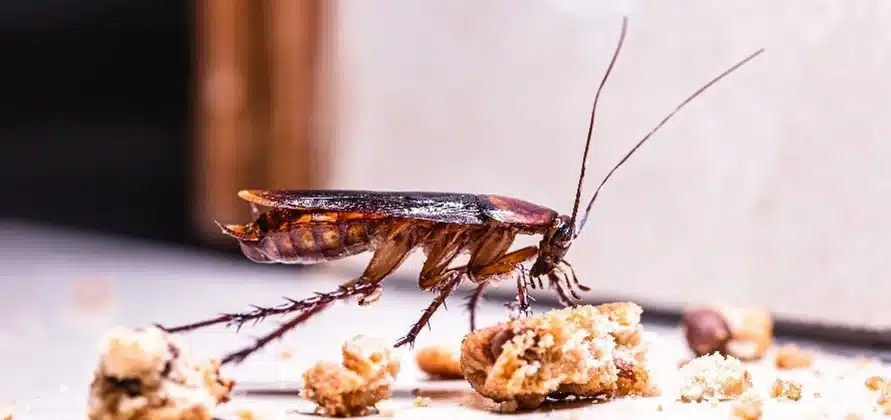
German cockroaches are one of the most common indoor cockroach species in the United States. Unlike other roaches that may wander indoors from outside, German cockroaches depend almost entirely on human environments for food, water, and shelter.
Warm, humid areas such as kitchens, bathrooms, laundry rooms, apartments, restaurants and grocery stores provide ideal conditions for these pests to thrive. They squeeze into incredibly small spaces, hiding behind appliances, beneath sinks, inside cabinets, behind baseboards and even within wall voids.
Because they reproduce at an astonishing rate, a small infestation can quickly become a major one if left untreated.
Early Signs of a German Cockroach Infestation
The sooner you recognize an infestation, the easier it is to limit its growth. Watch for these common warning signs:
Frequent Cockroach Sightings
Seeing a single cockroach may not seem alarming, but German cockroaches are nocturnal. If you notice them during daylight hours, it often indicates that their hiding places have become overcrowded.
You may spot them:
- Under kitchen sinks
- Around dishwashers
- Behind refrigerators
- Near stoves
- Inside cabinets and drawers
- Around bathroom plumbing
Small Dark Droppings
German cockroach droppings resemble coarse black pepper or coffee grounds. These droppings commonly accumulate:
- Along cabinet edges
- Inside drawers
- Under sinks
- Behind appliances
- Around pantry shelves
Large amounts of droppings usually indicate an established infestation.
Egg Capsules
Female German cockroaches produce egg capsules approximately every three to four weeks. Each capsule can contain around 35 eggs, allowing populations to grow quickly.
These tan or brown capsules are often hidden in cracks, behind furniture, or inside cabinets.
Musty Odors
As infestations grow, German cockroaches produce a distinct oily or musty odor. This unpleasant smell becomes stronger as populations increase and can linger in kitchens, pantries and enclosed spaces.
Shed Skins
Young cockroaches molt several times before reaching adulthood. Finding shed skins near hiding places is another indication that multiple generations are living inside your home.
How to Identify German Cockroaches
Correct identification is important because treatment methods vary among cockroach species.
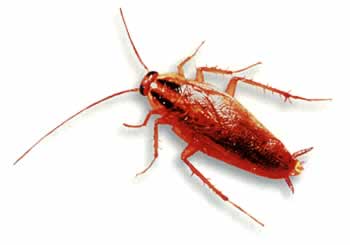
German cockroaches are:
- Light brown to tan
- About ½ to ⅝ inch long
- Recognized by two dark parallel stripes running from the head down the back
- Fast-moving and excellent at hiding
Unlike some larger cockroach species, German cockroaches rarely survive away from human activity because they require consistent warmth and readily available food.
Why German Cockroach Infestations Spread So Quickly
One reason German cockroaches are notoriously difficult to control is their incredible reproductive ability.
A single female produces multiple egg capsules during her lifetime, and each capsule contains dozens of developing cockroaches. Under favorable conditions, young cockroaches mature in roughly 100 days and begin reproducing themselves.
This rapid life cycle means a minor infestation can become thousands of cockroaches within just a few months if left untreated.
Health Risks Associated with German Cockroaches
German cockroaches are more than an unpleasant nuisance — they can also create health concerns for your family.
Because they travel through garbage, drains, and other unsanitary areas before crawling across food preparation surfaces, they can spread harmful bacteria throughout the home.
Research has linked cockroaches to bacteria including:
- Salmonella
- E. coli
Exposure to these bacteria may contribute to foodborne illnesses that cause:
- Nausea
- Vomiting
- Diarrhea
- Stomach cramps
- Dehydration
In severe cases, these infections may require medical treatment.
Cockroach allergens are also known to trigger allergic reactions and worsen asthma symptoms, particularly in children and individuals with respiratory sensitivities.
Why DIY Cockroach Treatments Often Fail
Many homeowners attempt to eliminate German cockroaches using sprays, foggers, or over-the-counter bait stations. While these products may reduce visible activity, they often fail to eliminate the entire infestation.
German cockroaches have developed resistance to many commonly available pesticides. They also hide deep inside walls, cabinets, appliance voids, and other inaccessible areas where DIY treatments rarely reach.
Even if many adult cockroaches are eliminated, hidden egg capsules continue hatching, allowing the infestation to rebound within weeks.
How to Help Prevent German Cockroaches
Although no home is completely immune, reducing food, moisture and shelter can make your home much less attractive to cockroaches.
Good prevention practices include:
- Clean kitchen counters and floors daily.
- Store food in sealed containers.
- Repair plumbing leaks promptly.
- Empty trash regularly.
- Seal cracks around plumbing and foundations.
- Reduce clutter inside cabinets and storage areas.
- Inspect used furniture and appliances before bringing them indoors.
Routine sanitation helps discourage cockroaches, but it may not eliminate existing infestations once they have become established.
Professional German Cockroach Control
Because German cockroaches reproduce so rapidly and are increasingly resistant to many DIY products, professional treatment is often the most effective solution.
If you’ve noticed recurring cockroach activity, droppings, egg capsules, or persistent odors, professional pest management can identify hiding places, target active infestations, and help prevent future outbreaks.
At Massey Services, our Pest Prevention program focuses on keeping cockroaches from entering your home in the first place through customized exterior treatments designed to reduce pest pressure before it becomes an indoor problem. And if cockroaches return between scheduled services, we’ll return at no additional charge to address the issue.
The earlier you identify a German cockroach infestation, the easier it is to protect your home, your family, and your peace of mind. Early action can make all the difference before a few hidden cockroaches become a much larger problem.