
Cold Outside, Crawling Inside: German Roaches Stay Active Year-Round

When temperatures drop, many homeowners assume pests disappear until spring. Unfortunately, that’s not how German cockroaches operate. While ants, mosquitoes and other insects slow down outdoors in colder months, German cockroaches simply move deeper indoors—where warmth, food and moisture are always available.
This year-round activity makes German cockroaches one of the most persistent and problematic household pests in the U.S. Understanding how they behave, why they thrive in homes, and what you can do to stop them is essential for protecting both your living space and your family’s health.

Schedule Your Free Inspection
Schedule today and Save $50
Why German Cockroaches Don’t Take a Winter Break
German cockroaches are uniquely adapted to live alongside humans. Unlike many outdoor insects, they don’t rely on seasonal weather patterns to survive. Instead, they flourish wherever people provide:
- Consistent warmth
- Easy access to food
- Moisture from plumbing and appliances
- Plenty of hiding places
Once colder weather arrives, these pests don’t die off—they simply shift activity indoors. Kitchens, bathrooms laundry rooms and utility areas become ideal habitats, allowing infestations to grow unnoticed during fall and winter.
Identifying a German Cockroach Infestation
German cockroaches are smaller than many other roach species, but their impact is far greater due to how quickly they reproduce and how closely they live to food sources.
Physical Characteristics
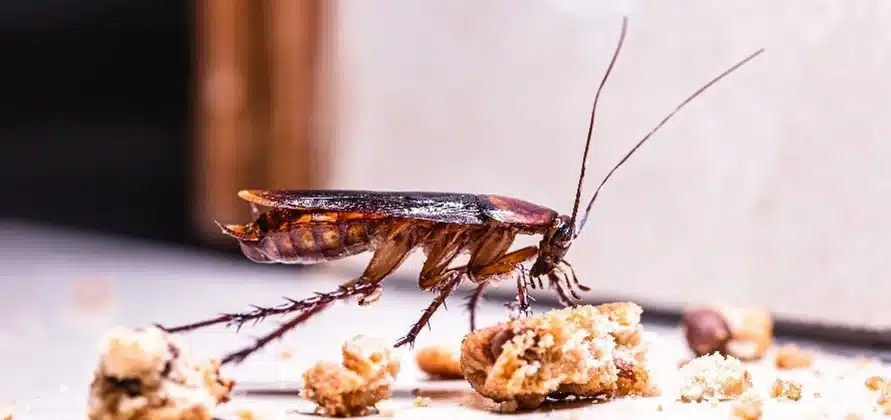
German cockroaches are light brown to tan and are easily identified by two dark, parallel stripes running from the head down the back. Their flat bodies allow them to squeeze into extremely tight spaces, making them difficult to detect until populations expand.
Where They Hide
These cockroaches prefer warm, dark and humid areas, especially near food and water. Common hiding spots include:
- Under refrigerators and stoves
- Inside cabinets and drawers
- Behind dishwashers
- Near garbage cans
- Around plumbing lines
Because they are nocturnal, infestations often go unnoticed until numbers become significant.
How Fast Do German Cockroaches Multiply?
One of the biggest reasons German cockroaches are so hard to control is their explosive reproductive cycle.
- Females produce egg capsules approximately every 20–25 days
- Each capsule contains around 35 eggs
- Young cockroaches mature into breeding adults in about 100 days
This means a small, overlooked infestation can turn into hundreds—or thousands—of roaches in a matter of months. Cooler seasons often give homeowners a false sense of security, allowing populations to grow unchecked.
Warning Signs You Should Never Ignore
According to the National Pest Management Association, German cockroach infestations often reveal themselves through subtle but telling clues.
Common Signs of Activity
- Roaches darting into dark areas when lights are switched on
- Small droppings in corners, drawers and cabinets
- Discovery of egg capsules near hidden areas
- A persistent “musty” or oily odor caused by roach pheromones
That odor is especially noticeable in heavy infestations and can linger even after roaches are gone.
Health Risks Linked to German Cockroaches
German cockroaches aren’t just unsettling—they’re dangerous. These pests are known to carry and spread bacteria that can seriously impact human health.
Disease Transmission
As cockroaches move through garbage, drains and contaminated surfaces, they pick up pathogens and spread them by contaminating food, dishes and countertops. Two of the most concerning bacteria associated with cockroaches are:
- Salmonella
- E. coli
These bacteria can cause food poisoning symptoms such as:
- Severe nausea
- Vomiting
- Stomach cramps
- Diarrhea and dehydration
In rare but serious cases, infections can spread into the bloodstream and become life-threatening, particularly for children, seniors and individuals with weakened immune systems.
Why Winter Infestations Are Often Worse
Colder months increase the risk of indoor cockroach problems. Here’s why:
- Cockroaches concentrate indoors instead of dispersing outdoors
- Homes are sealed tighter, trapping pests inside
- Reduced pest vigilance allows infestations to grow unnoticed
By the time spring arrives, a winter infestation can already be deeply established.
Cleanliness Matters—but It’s Not the Whole Solution
A clean home is less inviting to German cockroaches, but sanitation alone rarely eliminates an infestation.
Why Sanitation Helps
German cockroaches need food and water to survive. Reducing access to these resources can slow population growth and make professional treatments more effective.
Key sanitation practices include:
- Promptly wiping up spills and crumbs
- Vacuuming floors, corners and baseboards
- Cleaning under appliances like refrigerators, stoves and toasters
- Sealing food in airtight containers
- Emptying trash regularly and keeping lids closed
The Hidden Problem
Even spotless homes can experience infestations because cockroaches:
- Feed on grease residue and crumbs you can’t see
- Drink condensation from pipes and appliances
- Hide deep inside walls, cabinets and cracks
This is why infestations often persist despite homeowners’ best efforts.
The Cannibalism Factor Most Homeowners Don’t Know
German cockroaches are opportunistic feeders—and that includes feeding on each other.
If dead cockroaches are left behind after DIY treatments, live roaches may consume them, gaining nutrients and potentially ingesting residual insecticides at non-lethal doses. This can:
- Sustain surviving roaches
- Reduce treatment effectiveness
- Contribute to pesticide resistance
Prompt cleanup of dead insects is an important but often overlooked step in control.
Sealing Entry Points: Small Gaps, Big Problems
German cockroaches are masters at infiltration. Their flat bodies allow them to enter through:
- Tiny cracks in walls
- Gaps around plumbing
- Openings near doors and windows
- Utility and cable entry points
Sealing these access points with caulk and weather stripping helps reduce new introductions—but won’t eliminate an existing infestation.
Year-Round Prevention Tips That Actually Work
Regardless of the season, these proactive steps can help reduce cockroach instances around your home:
Inside the Home
- Thoroughly vacuum at the first sign of roaches
- Clean beneath and behind all major appliances
- Fix plumbing leaks immediately
- Avoid leaving pet food out overnight
- Remove clutter such as cardboard and old newspapers
Outside the Home
- Keep shrubs, trees, and woodpiles from touching the structure
- Clear yard debris that can harbor pests
- Ensure trash bins are sealed and located away from entry points
While these steps are important, they are most effective when paired with professional pest management.
Why Professional German Cockroach Treatment Makes the Difference
German cockroaches are notoriously difficult to eliminate without expert help. Over-the-counter sprays and baits often fail because they:
- Don’t reach hidden nesting areas
- Kill visible cockroaches but not egg capsules
- Allow populations to rebound quickly
Professional pest control targets cockroaches at every stage of their life cycle using strategic, science-based methods.

Massey Services: Proactive Protection, Not Reactive Control
If you suspect a German cockroach infestation—or want to prevent one—Massey Services offers targeted Pest Prevention treatments designed to stop roaches before they get inside.
What Sets Massey Services Apart
- Customized exterior treatments to block entry points
- Ongoing protection tailored to your home’s needs
- Year-round monitoring and prevention
- Guaranteed service—if cockroaches return between visits, Massey returns at no extra charge
By focusing on prevention, Massey helps homeowners avoid the stress, health risks and disruption caused by indoor infestations.
Don’t Let Cold Weather Fool You
German cockroaches don’t disappear when the temperature drops—they simply relocate indoors. Left untreated, winter infestations can quietly grow into major problems that affect your comfort, cleanliness and health.
Whether you’ve already spotted signs of activity or want peace of mind year-round, contacting a professional pest control expert is the smartest move you can make. With expert guidance and proactive protection, you can keep cold weather where it belongs—outside—and German cockroaches out of your home for good.