Termite Control in Savannah, GA: What Homeowners Should Know About Termite Activity
Termites are among the most destructive pests homeowners can encounter. These small insects feed on materials containing cellulose, including wood, paper and other plant-based materials. Because many termite colonies remain hidden inside soil, walls and wooden structures, an infestation can develop for months or even years before homeowners recognize a problem.
For homeowners in Savannah, Georgia, understanding termite activity is particularly important. The region’s warm climate and moist conditions can create favorable environments for termite colonies, making consistent termite prevention and professional inspections essential parts of home maintenance.
Whether you own an older historic property or a newer home, knowing what to look for can help you recognize potential termite problems before they result in extensive structural damage.

WWhy Are Termites a Concern for Savannah Homeowners?
Termites can compromise wooden structures while remaining largely out of sight. They feed on cellulose found in wood, which means they may damage framing, flooring, support beams, door frames and other important components of a home.
One reason termite infestations are so concerning is that homeowners may not notice the damage until it becomes significant.
Savannah homeowners should understand that several termite species can threaten residential properties. Massey Services identifies subterranean termites, Formosan subterranean termites, and drywood termites among the important wood-destroying pests requiring professional protection.
Each species has different behaviors and nesting preferences, which means effective termite control requires identifying the specific threat.
1. Understand the Different Types of Termites
Knowing which types of termites can affect your property is an important first step in understanding termite activity.
Subterranean termites
Subterranean termites are among the most common termites responsible for residential infestations. They establish colonies underground and travel through soil to reach sources of wood.
These termites require moisture to survive and often build protective mud tubes along foundations, walls and other surfaces. They can enter structures through small cracks and openings where wood and soil come into close contact.
Formosan subterranean termites
Formosan termites are an especially concerning type of subterranean termite. Their colonies can contain millions of individuals, allowing them to consume substantial amounts of wood.
They can attack structural lumber, trees, utility poles and other cellulose-containing materials. Because of their large colony sizes and feeding activity, Formosan termites can create serious property concerns.
Drywood termites
Unlike subterranean termites, drywood termites do not need contact with soil to establish colonies. They live directly inside the wood they infest.
These termites may enter homes through cracks, unscreened soffits and gable vents. They can affect attic framing, furniture, flooring and other wooden materials.
Massey Services provides termite protection designed to address subterranean, Formosan subterranean, and drywood termites through customized inspection and treatment plans.

2. Recognize the Warning Signs of Termite Activity
Termites are not always easy to detect, but there are several warning signs Savannah homeowners should know.
Watch for these potential indicators:
- Mud tubes: Subterranean termites construct narrow tubes made from soil, wood particles and debris. These tubes help them travel between their colonies and food sources.
- Discarded wings: Termite swarmers shed their wings after finding a location to establish a new colony. Small piles of wings near windows, doors and light sources may indicate termite activity.
- Damaged or hollow-sounding wood: Wood affected by termites may sound hollow when tapped or feel soft when examined.
- Drywood termite droppings: Small piles of pellet-like material near wooden furniture, windowsills, or baseboards may indicate drywood termite activity.
- Damaged drywall: Termite activity can sometimes produce small exit holes, ripples, or other unusual changes in drywall.
It is important to remember that these signs do not always identify the exact termite species. A professional inspection can help determine whether termites are present and what type of treatment may be necessary.

3. Understand Why Termite Swarms Matter
One of the more noticeable signs of termite activity is the appearance of winged termites, commonly called swarmers.
Swarmers are reproductive termites that leave established colonies to find mates and establish new colonies. They are frequently confused with flying ants.
There are a few differences homeowners can look for:
- Termites have straight, beaded antennae, while ants have elbowed antennae.
- Termites have two pairs of wings that are approximately equal in size.
- Ants have front wings that are generally longer than their back wings.
- Termites have broad waists, while ants have noticeably pinched waists.
Finding swarmers indoors or discarded wings around windows should not be ignored. These observations may indicate an existing infestation or nearby termite activity.
Avoid assuming that the absence of visible swarmers means your property is protected. Many termite infestations remain hidden.
4. Reduce Conditions That Encourage Termite Activity
Although professional termite protection is important, homeowners can take steps to reduce conditions that may attract termites.
Consider these preventive measures:
- Keep firewood and lumber stored away from your home’s foundation.
- Avoid allowing wood debris to accumulate around your property.
- Maintain proper drainage to reduce excess moisture near the foundation.
- Repair leaking outdoor faucets and plumbing.
- Keep gutters and downspouts clear so water drains away from your home.
- Avoid allowing soil or mulch to cover structural wood.
- Regularly inspect wooden structures around decks, fences, and landscaping.
Moisture management is especially important for subterranean termites, which depend on moisture to survive.
These preventive steps can help reduce risk, but they cannot guarantee that termites will not enter your property.
5. Schedule Regular Professional Termite Inspections
Because termite activity can remain hidden, professional inspections are one of the most effective ways to identify potential problems.
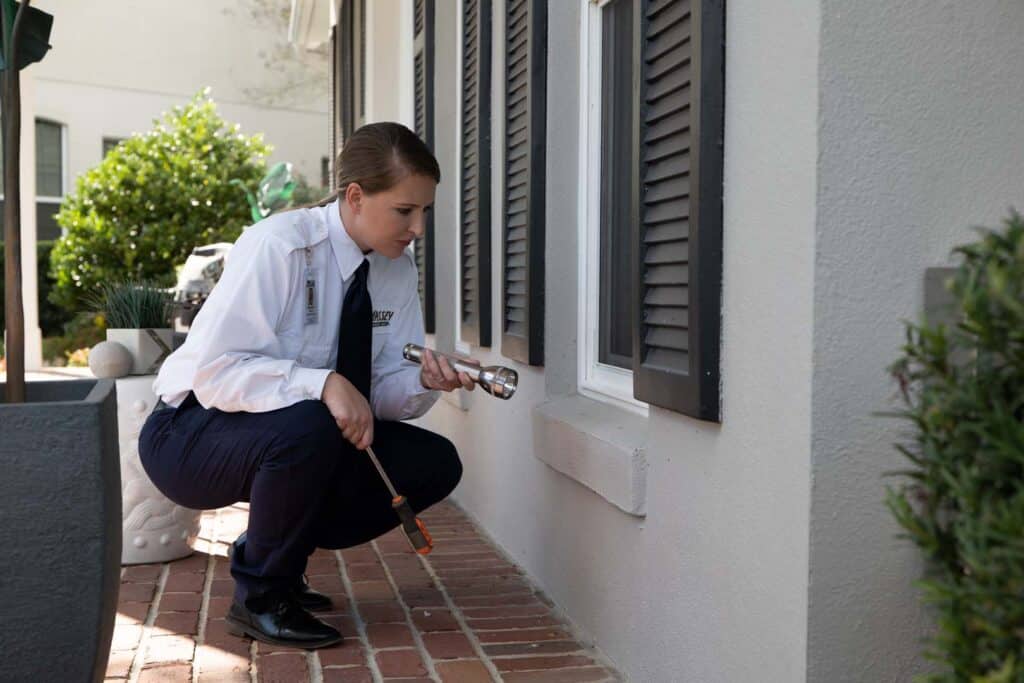
Massey Services begins its termite protection process with a comprehensive inspection of the home’s interior, exterior and surrounding property. Our specialists evaluate potential entry points, areas vulnerable to termite activity and signs of existing infestations or damage.
Following the inspection, Massey Services develops a customized termite treatment plan based on the property’s construction and specific needs.
Treatment options may include liquid termiticide applications, strategically placed bait stations, or a combination of approaches, depending on the inspection findings.
We also include annual termite inspections of our Termite Protection plans to help identify new threats over time.

What Protect Your Savannah Home with Massey Services
Termites can create expensive property damage without providing obvious warning signs. For Savannah homeowners, taking a proactive approach to termite control is an important part of protecting the home’s structure and long-term value.
Massey Services provides professional termite control in Savannah, GA, with detailed inspections, customized treatment plans and ongoing protection.
Don’t wait until termite damage becomes visible.
Contact Massey Services today to schedule a termite inspection and learn more about protecting your Savannah home from destructive termite activity.