
Rodents Won’t Go Away? Here’s Why They Keep Coming Back
If you’ve trapped a mouse, sealed a hole or cleaned up droppings—only to hear scratching again a few weeks later—you’re not alone. One of the most frustrating things homeowners experience are rodents that just won’t stay gone.
Mice and rats aren’t accidental invaders. They’re highly adaptable survivors that know exactly how to exploit human environments for food, warmth and shelter. And once they find a property that meets their needs, they rarely leave on their own.
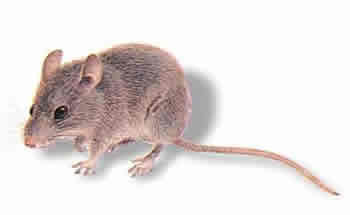
Understanding why rodents keep coming back is the first step toward permanent control—and avoiding serious health and property damage in the process.
Schedule Your Free Inspection
Schedule today and Save $50
Why Rodents Are Drawn to Homes in the First Place
Rodents have lived alongside humans for thousands of years. Our homes provide everything they need to survive, especially when outdoor conditions become less hospitable.
As seasons change, mice and rats instinctively move closer to people—not because homes are dirty, but because they’re predictable sources of warmth, shelter and food.
1. Cooler Weather Triggers Rodent Migration
Temperature changes are one of the biggest drivers behind rodent infestations.
When outdoor temperatures begin to dip—even slightly—rodents receive a biological signal that winter is approaching. Their natural response is to seek out warm, enclosed spaces to nest and reproduce.
Homes unknowingly broadcast warmth through:
- Cracks in foundations
- Gaps around utility pipes
- Openings near doors and windows
- Warm air escaping from attics and crawl spaces
To a mouse or rat, that heat trail acts like a neon sign.
2. Outdoor Food Sources Disappear
In warmer months, rodents rely on:
- Seeds and vegetation
- Insects
- Fallen fruit
- Garden crops
As these food sources decline, rodents expand their search radius—and homes quickly become the most reliable option.
Inside garages, pantries and kitchens, they can find:
- Pet food
- Bird seed
- Pantry staples
- Grease residue
- Crumbs beneath appliances
A single overlooked food source can support rodents for weeks.
3. Homes Offer Ideal Shelter and Protection
Rodents aren’t just looking for warmth—they’re looking for safety.
Attics, wall voids, basements and crawl spaces provide:
- Darkness
- Minimal human activity
- Protection from predators
- Stable nesting conditions
These hidden areas allow rodents to build nests and raise young without being disturbed, which is why infestations often grow before homeowners even realize there’s a problem.
4. Rapid Breeding Makes Small Problems Explode
One of the main reasons rodents “won’t go away” is simple math.
Mice and rats reproduce at an astonishing rate:
- Mice can give birth every three weeks
- Litters often contain 6–12 offspring
- Young rodents mature quickly and begin breeding themselves
What starts as a single mouse can become dozens within a matter of months, especially during peak breeding seasons like fall.

The Real Dangers of Rodent Infestations
Rodents are often underestimated. They’re not just an annoyance—they’re a serious risk to both health and property.
Disease Risks You Can’t See
Rodents are known carriers of numerous diseases that can affect humans and pets.
They spread pathogens through:
- Droppings
- Urine
- Saliva
- Nesting materials
- Contaminated surfaces
Some illnesses associated with rodents include:
- Salmonella
- Rat-bite fever
- Murine typhus
- Hantavirus (linked to deer mice and cotton rats)
- Leptospirosis
Inhaling airborne particles from dried droppings or nesting materials can be especially dangerous.
Costly Structural and Electrical Damage
Rodents have teeth that never stop growing. To keep them worn down, they chew constantly—often on the worst possible materials.
Common targets include:
- Electrical wiring
- Insulation
- Drywall
- Wood framing
- Plumbing lines
- Vehicle engine components
This behavior can result in:
- Electrical fires
- Water damage
- HVAC issues
- Expensive repairs
In many cases, damage continues unnoticed until it becomes severe.
Allergies, Asthma, and Contamination
Rodent infestations can worsen indoor air quality. Their droppings and nesting debris may trigger:
- Asthma attacks
- Allergy symptoms
- Respiratory irritation
In kitchens and pantries, rodents contaminate food and preparation surfaces simply by moving through the space.
Common Signs Rodents Are Still Active
Rodents are nocturnal and secretive, so homeowners often miss early warning signs.
Look for indicators such as:
- Small, dark droppings in cabinets or under sinks
- Chewed packaging or wiring
- Shredded nesting materials
- Smudge marks along walls
- Scratching or scurrying sounds at night
Ignoring these clues allows populations to multiply, making elimination far more difficult later.
Where Rodents Hide Inside and Outside the Home
Rodents are incredibly flexible and agile.
- Mice can squeeze through openings as small as a dime
- Rats only need a quarter-sized gap
- Both can climb walls, utility lines and tree branches
Common hiding areas include:
- Attics and crawl spaces
- Garages and sheds
- Behind appliances
- Inside walls
- Around rooflines, vents and foundations
Because they often move between indoor and outdoor spaces, effective control must address both environments.
Rodent Prevention Starts Outside
Most infestations begin outdoors. Improving exterior conditions dramatically reduces the likelihood of repeat invasions.
Maintain Landscaping
Overgrown vegetation provides cover and nesting areas. Regular trimming eliminates hiding spots and prevents roof access.
Be sure to:
- Cut back shrubs
- Keep grass short
- Trim branches away from the roofline
Reduce Outdoor Clutter
Rodents thrive in cluttered environments.
Remove or relocate:
- Wood piles
- Debris
- Excess storage bins
Store firewood well away from the home and elevate it off the ground.
Seal Entry Points Early
Rodents exploit tiny openings that often go unnoticed.
Inspect areas around:
- Foundations
- Utility lines
- Dryer vents
- Doors and windows
Seal gaps with materials rodents can’t chew through, such as steel wool combined with caulk. Installing door sweeps and repairing damaged screens can make a significant difference.
If inspections feel overwhelming, professional inspections catch vulnerabilities homeowners often miss.
Secure Outdoor Food Sources
Trash and pet food are major attractants.
- Use tightly sealed garbage bins
- Store bird seed in rodent-proof containers
- Never leave pet food outside overnight
Indoor Prevention That Actually Works
Even spotless homes can attract rodents, but simple changes reduce risk dramatically.
Key steps include:
- Storing food in sealed containers
- Cleaning crumbs and spills promptly
- Fixing leaks and moisture issues
- Decluttering storage areas
- Keeping basements and attics dry
- Inspecting boxes and groceries before bringing them inside
Rodents need very little to survive—removing those essentials makes your home far less appealing.
Why Acting Early Is Critical
Rodent problems never resolve themselves.
Waiting allows:
- Populations to grow
- Damage to worsen
- Health risks to increase
- Control efforts to become more expensive
Addressing rodents before colder weather fully sets in is far easier than dealing with an entrenched infestation in winter.

How Massey Services Stops Rodents for Good
At Massey Services, rodent control is never a one-size-fits-all approach. Our proven, science-based strategy focuses on elimination and prevention—so rodents don’t return.
Thorough Property Inspection
Our licensed professionals conduct detailed inspections of:
- Attics and crawl spaces
- Rooflines and vents
- Garages and basements
- Kitchens and storage areas
- Outdoor structures and landscaping
We identify active rodents, nesting zones and potential entry points.
Strategic Trapping and Removal
Using professional-grade equipment, we deploy customized trapping plans designed for fast, humane removal—placing multiple traps per rodent when necessary to ensure complete control.
Exclusion and Sealing
Once rodents are removed, we seal gaps and openings as small as ¼ inch. This critical step prevents new rodents from replacing the ones removed.
Sanitation and Cleanup
Droppings, nesting materials and contaminated areas are carefully sanitized to reduce health risks and lingering odors that could attract new pests.
Ongoing Monitoring and Support
Follow-up visits ensure success, and your Massey Services expert provides personalized recommendations to keep your home rodent-free long term.
Don’t Let Rodents Take Over Your Home
If rodents keep returning, it’s not bad luck—it’s biology, opportunity and access. Eliminating one mouse without addressing the bigger picture only delays the problem.
With professional rodent control near you, Massey Services delivers lasting protection for your home and family.

Schedule your free rodent inspection with Massey Services today and protect your home, family and peace of mind all season long.eyond, Massey Services is your partner in pest prevention and rodent control.