
Cool Weather, Big Pest Problems: Why Mice Invade Homes as Temperatures Drop
As temperatures begin to cool across the Southeast, homeowners often prepare for cozy nights, holiday gatherings and seasonal décor. Unfortunately, there’s another group preparing to enter your home — mice. This time of year, rodents begin a predictable migration from the outdoors into homes, searching for warmth, food and shelter. This surge in activity is commonly referred to as rodent season, and once winter fully arrives, many infestations are already well established.
What may start as a single mouse seeking refuge can quickly turn into a serious pest problem that lasts all winter long. Understanding why mice invade homes when temperatures drop, where they hide and how quickly they reproduce indoors is critical to protecting your property and your family’s health.
Schedule Your Free Inspection
Schedule today and Save $50
Why Cooler Weather Sends Mice Indoors
Mice are not equipped to survive harsh winter conditions outdoors. Unlike some mammals, mice do not hibernate. Their bodies must remain active year-round to support a fast metabolism, which means they need consistent warmth and a steady food supply to survive.
Even modest drops in temperature act as a warning signal. When nights become cooler, mice instinctively begin seeking environments that offer protection from the cold. A heated home provides the perfect solution — a stable microclimate where rodents can conserve energy instead of burning calories just to stay warm.
Homes also unintentionally advertise their warmth. Escaping heat from foundations, utility lines, door frames and attic vents acts like a beacon, guiding mice straight to potential entry points. Once they find a way inside, they rarely leave voluntarily.

Food Scarcity Drives Rodent Migration
Cold weather doesn’t just affect temperature — it also drastically reduces natural food sources. Seeds, berries and insects that mice rely on become buried under frost, snow or ice. As outdoor resources disappear, rodents are forced to adapt or starve.
Human structures provide exactly what mice need:
- Stored pantry goods
- Pet food
- Crumbs and food residue
- Trash and recycling
From a mouse’s perspective, a home isn’t just warm — it’s a reliable, year-round food source. This combination of shelter and nutrition makes residential structures irresistible during fall and winter.
Homes Support Year-Round Mouse Reproduction
One of the most dangerous misconceptions about winter rodents is that cold weather slows their population growth. While outdoor mice may struggle to reproduce during winter, indoor mice do not face those limitations.
Inside a climate-controlled home, mice can breed continuously. Female mice can produce litters every 19 to 21 days, with each litter averaging five to six pups. Even more concerning, young mice can reach reproductive maturity in as little as six to eight weeks.
This means a small, unnoticed mouse problem in early fall can explode into a large infestation by mid-winter — all happening behind walls, above ceilings and beneath floors.
Common Types of Mice That Invade Homes
The most frequent invaders include:
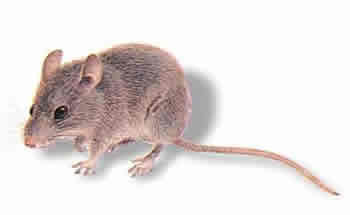
- House mice – Highly adaptable and comfortable living near humans
- White-footed deer mice – Common in wooded or suburban areas and known carriers of disease
Both species are skilled climbers, strong chewers and capable of squeezing through openings smaller than a dime.
Where Mice Hide and Nest During Winter
Once inside, mice quickly seek out quiet, protected areas to nest. These spaces provide warmth, security and easy access to food and water.
Attics
Attics are one of the most common nesting locations during winter. Insulation helps retain warmth, while stored boxes, papers and fabrics provide ideal nesting materials. Since attics see little human activity, mice can reproduce undisturbed for months.
Wall Voids
The spaces between walls offer insulation from the cold and allow mice to travel throughout the home unseen. Wall voids also provide easy access to warm air generated by heating systems.
Kitchens and Bathrooms
Mice are drawn to areas where food and water are readily available. Leaky pipes, condensation and plumbing fixtures provide hydration, while pantries and cabinets supply nourishment. Appliances like refrigerators and dishwashers generate heat and offer hidden shelter.
Basements and Crawl Spaces
Ground-level areas provide easy entry from outside. Stored items, clutter and utilities such as furnaces and water heaters create warm, low-traffic environments ideal for nesting.
Furniture and Stored Belongings
Upholstered furniture, box springs, stored clothing and holiday decorations can all become nesting sites. Spare rooms and storage areas that are rarely disturbed are especially vulnerable.

The Damage Mice Can Cause Inside Your Home
A mouse infestation isn’t just a nuisance — it can be costly and dangerous.
Structural and Electrical Damage
Mice chew constantly to keep their teeth from overgrowing. Unfortunately, this behavior often targets:
- Electrical wiring (increasing fire risk)
- Insulation
- Drywall
- Furniture and stored belongings
Health Risks
Mice contaminate surfaces and food with droppings and urine. They are known carriers of serious illnesses, including:
- Hantavirus
- Salmonella
- Leptospirosis
Even indirect exposure — such as breathing contaminated dust — can pose health risks, especially to children, seniors and individuals with compromised immune systems.
Why Early Action Is Critical
By the time homeowners notice scratching noises or droppings, mice may already be well established. Winter infestations are especially difficult to eliminate because rodents remain active indoors while access points are sealed by weather.
Acting early in the fall, before temperatures reach freezing, greatly reduces the chance of a long-term infestation. Prevention is always more effective — and less expensive — than reactive treatment.
How Mice Get Inside (And Why DIY Prevention Often Fails)
Mice are incredibly resourceful. They can:
- Squeeze through openings smaller than a coin
- Climb vertical surfaces
- Gnaw through wood, plastic and even soft metals
Common entry points include:
- Gaps around foundations
- Utility and pipe penetrations
- Damaged weather stripping
- Attic vents and rooflines
- Garage doors
While sealing visible gaps is a good first step, many entry points go unnoticed without a professional inspection.
Professional Mouse Control Makes the Difference
If mice have already made their way inside, DIY traps and repellents often provide only temporary relief. Without addressing entry points, nesting sites and population growth, infestations tend to return.
This is where professional rodent control becomes essential.
How Massey Services Helps Protect Your Home
Massey Services offers comprehensive mouse control solutions designed to stop infestations at the source. Our trained experts:
- Conduct detailed inspections to identify vulnerabilities
- Locate nesting and harborage areas
- Implement targeted exclusion and control strategies
- Provide long-term prevention recommendations
All services are backed by our No-Nonsense Money-Back Guarantee, giving homeowners confidence and peace of mind.
Stay One Step Ahead This Rodent Season
Mice may be small, but their impact can be significant — especially during the colder months when they’re actively seeking indoor shelter. Understanding why mice invade homes as temperatures drop empowers homeowners to act before minor issues become major problems.
With proactive prevention and professional support from Massey Services, you can keep your home warm, comfortable and mouse-free all winter long.

Don’t wait until you hear scratching in the walls! Contact Massey Services today to schedule an inspection and protect your home before rodent season takes hold.