
What Are the Biggest Pest Challenges Facing Hotels?
Hotels are built around one central promise: providing guests with a clean, comfortable and welcoming place to stay. From boutique inns to large resorts, every hospitality property depends on a reputation for quality service and exceptional guest experiences. Unfortunately, pests can instantly threaten your reputation.
The hospitality industry faces unique pest challenges because hotels operate 24/7, welcome thousands of travelers every year and contain numerous areas where food, water and shelter are readily available. These factors create ideal conditions for pest activity if proactive prevention measures are not in place.
From rodents and cockroaches to bed bugs and flies, hotels must remain vigilant against a wide variety of pests that can disrupt operations, damage property and create negative guest experiences. Understanding the biggest pest challenges facing hotels is the first step toward protecting your property, your guests and your brand.
Below, we explore the most common pest threats in hospitality environments and why a proactive commercial pest control strategy is essential for long-term success.

Why Pest Control Is Critical for the Hospitality Industry
Few industries are as sensitive to pest problems as hospitality. A single guest complaint about pests can quickly escalate into damaging online reviews, negative publicity and lost revenue.
Hotels must maintain a spotless image while ensuring compliance with health and safety regulations. Pest activity can compromise both.
Pests in hotels can cause several serious issues:
• Health risks through disease transmission and food contamination
• Structural damage from rodents or termites
• Guest dissatisfaction and complaints
• Failed health inspections or audits
• Reputation damage through online reviews and social media
Because hotels host a constant flow of travelers, pest problems can develop quickly and spread easily. Guests unknowingly transport pests in luggage, housekeeping moves through multiple rooms daily and kitchens operate continuously. These factors make pest prevention—not just treatment—essential.
Why Hotels Are Vulnerable to Pest Problems
Hospitality properties present many of the conditions pests seek: food, water, warmth and shelter.
Several factors increase the likelihood of pest activity in hotels.
High Guest Turnover
Hotels experience a steady stream of travelers throughout the year. Guests arrive with luggage, clothing and personal items that may unintentionally carry pests. Bed bugs are particularly known for hitchhiking from one location to another through suitcases and bags.
Multiple Food Sources
Restaurants, room service, snack bars, vending areas and kitchen facilities provide abundant food opportunities for pests. Even small crumbs or spills can attract insects and rodents.
Complex Building Layouts
Hotels typically contain multiple floors, laundry rooms, kitchens, mechanical areas, storage spaces and guest rooms. These environments create numerous hiding spots where pests can establish themselves unnoticed.
Continuous Operations
Unlike many businesses that close overnight, hotels operate around the clock. This constant activity can make it challenging to conduct pest control treatments without disrupting guests.
Because of these factors, hotels must adopt a proactive pest prevention strategy rather than waiting for problems to occur.
The Five Most Common Hotel Pest Problems
Although many pests can invade hospitality properties, a handful of species account for most infestations in hotels. These pests remain active throughout the year and require ongoing monitoring and prevention.
1. Rodents
Rats and mice are among the most serious pest threats facing hotels. These pests are extremely adaptable and can squeeze through surprisingly small openings to gain access to buildings.
Rodents pose several dangers:
• Contaminating food with droppings and urine
• Spreading diseases such as Salmonella and Hantavirus
• Damaging walls, insulation and stored goods
• Chewing electrical wires, which can create fire hazards
Rodents are particularly active during cooler months when they seek warmth indoors. However, once established inside a hotel, they can remain active year-round.
Proper rodent management typically involves exclusion techniques, monitoring devices, trapping programs and sanitation improvements.

2. Bed Bugs
Few pests create as much anxiety in the hospitality industry as bed bugs. These tiny insects feed on human blood and hide in mattresses, bed frames, furniture and small cracks in guest rooms.
Bed bugs are especially problematic for hotels because they:
• Spread easily through luggage and clothing
• Hide in small, difficult-to-detect locations
• Reproduce quickly
• Cause guest complaints and negative reviews
Unlike many pests, bed bugs do not have a specific season. They can infest hotels at any time of year. However, travel peaks during summer months often increase the likelihood of new introductions.
Because early detection is crucial, hotels must conduct regular inspections and implement specialized elimination methods designed to target bed bugs at every stage of life.
3. Cockroaches
Cockroaches are highly resilient pests that thrive in warm, humid environments such as kitchens, laundry areas and mechanical rooms. Once established, they can spread rapidly throughout a building.
Cockroaches present serious concerns for hospitality properties because they can:
• Contaminate food preparation areas
• Trigger allergies and asthma
• Spread bacteria and pathogens
• Hide in tight spaces behind equipment or walls
Hotels must focus on sanitation, monitoring and targeted treatments to prevent cockroach infestations from spreading.
4. Flying Insects
Large flies and small flies frequently become a problem in hospitality settings, particularly around kitchens, dumpsters and drain systems.
Common species include:
• House flies
• Fruit flies
• Drain flies
• Phorid flies
These pests are often attracted to organic waste, moisture and food residue. If not properly managed, they can quickly become a nuisance for both guests and staff.
In addition to sanitation improvements, effective fly management may involve monitoring systems, preventive treatments and drain maintenance to eliminate breeding sites.
5. Ants and Other Nuisance Insects
Ants are common invaders in hotels, particularly in warmer climates where they can enter buildings year-round. They often forage in kitchens, guest rooms and dining areas in search of food.
While ants may seem like a minor nuisance, large infestations can quickly disrupt operations and lead to guest complaints.
Other nuisance insects that occasionally affect hotels include beetles, spiders and occasional invaders that enter through doors and windows.
Proper building maintenance and sealing entry points can significantly reduce these problems.
The Challenge of Accurate Pest Identification
One of the biggest obstacles in hotel pest management is correctly identifying the pest involved. Different pests require different treatment strategies and misidentification can lead to ineffective solutions.
For example:
• Bed bugs require specialized treatment methods and follow-up inspections
• Rodent problems may require exclusion work to seal entry points
• Fly infestations often originate from drains or sanitation issues
• Cockroach infestations may spread through wall voids or equipment areas
Understanding pest biology and behavior is essential for implementing the most effective treatment plan. Professional inspections help ensure that pest issues are identified accurately and addressed quickly.
Balancing Pest Control with Guest Experience
Another challenge unique to hotels is maintaining discretion. Guests expect a clean, pest-free environment but they also expect their stay to be comfortable and undisturbed.
Visible pest control equipment or disruptive service activities can negatively affect guest perceptions if not handled carefully.
This means pest management programs in hotels must prioritize:
• Discreet monitoring systems
• Service schedules that avoid peak guest hours
• Targeted treatments that minimize disruptions
Professional pest management providers understand how to deliver effective results while maintaining a positive guest experience.
Regulatory Compliance and Health Standards
Hotels must comply with strict health and safety regulations designed to protect both guests and employees. Pest activity can jeopardize compliance with:
• Health department regulations
• Food safety standards
• Third-party hospitality audits
• Brand quality inspections
Failure to meet these requirements can lead to fines, failed inspections or even temporary closures.
A comprehensive Integrated Pest Management (IPM) program helps hotels meet regulatory standards by combining monitoring, prevention, sanitation improvements and targeted treatments.
Prevention: The Most Effective Pest Strategy
In hospitality environments, prevention is always more effective than reacting to infestations.
A proactive pest management strategy focuses on stopping pests before they ever enter the property. This approach helps reduce disruptions, protect guest satisfaction and maintain a clean environment.
Key pest prevention practices for hotels include:
Conduct Regular Inspections
Routine inspections allow staff to identify pest activity early before it spreads throughout the building. Signs such as droppings, gnaw marks, shed skins or unusual odors may indicate pest presence.
Maintain Strict Sanitation Standards
Food debris, spills and garbage attract pests quickly. Keeping kitchens, dining areas and storage rooms clean significantly reduces pest pressure.
Seal Potential Entry Points
Small cracks, gaps around doors and openings in walls or ceilings can allow pests to enter. Sealing these entry points helps prevent rodents and insects from accessing the building.
Store Food Properly
Food should always be stored in sealed containers and kept off the floor. Proper storage prevents pests from accessing easy food sources.
Train Staff to Spot Pest Activity
Employees who understand how to identify pest signs can report issues early, helping prevent larger infestations.
Partner with a Professional Pest Control Provider
Routine service from trained pest management professionals ensures that potential problems are detected and addressed quickly.
How Massey Services Helps Hotels Stay Pest-Free
Hotels require pest management programs that are thorough, discreet and customized for complex hospitality environments. Massey Services provides a proactive approach that focuses on prevention rather than simply reacting to infestations.
The goal is simple: stop pests before they ever enter your business so you can focus on running it.
Massey Services also understands the importance of minimizing disruptions in hospitality settings. Service schedules are designed around your company’s hours of operation to ensure guests and employees are not inconvenienced.
In addition, Massey provides a 24-hour response time and 48-hour resolution guarantee, helping hotels address pest concerns quickly and efficiently.
How Massey Services’ Commercial Pest Control Program Works
Detailed Inspection
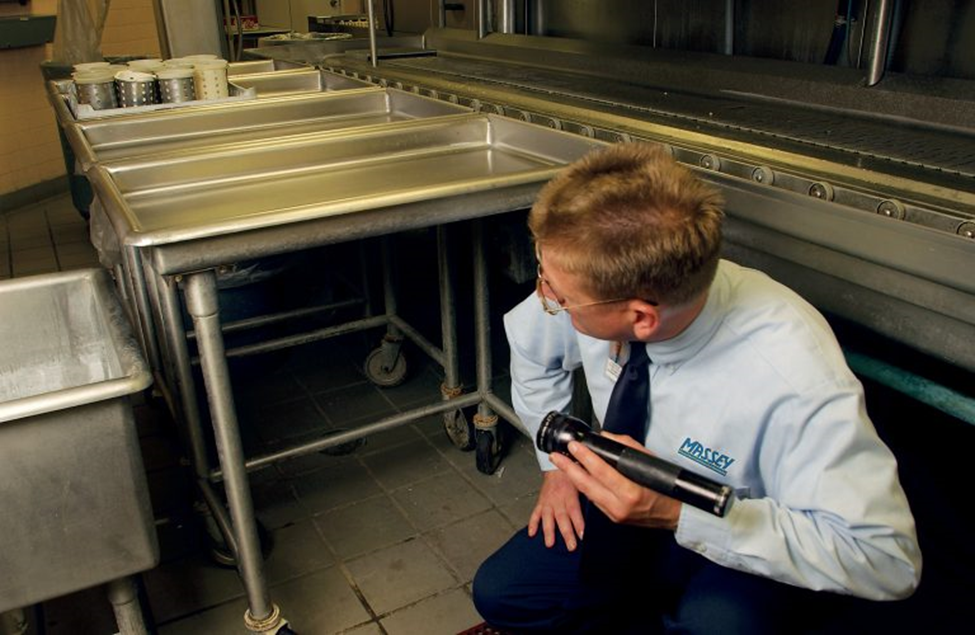
Every successful pest management program begins with a thorough inspection. Massey specialists carefully evaluate your property, examining areas such as building structure, sanitation practices, storage areas and potential pest entry points.
This detailed inspection helps identify risk factors unique to your facility.
Problem Identification
Following the inspection, you receive a comprehensive report that outlines any pest activity discovered during the evaluation. The report highlights problem areas and provides recommendations for corrective action.
Customized Treatment and Prevention
Based on inspection findings, Massey professionals develop a customized pest management program designed specifically for your property.
This tailored approach addresses current pest concerns while implementing long-term prevention strategies to reduce future risk.
Data Management and Reporting
Massey provides direct access to real-time reporting tools that allow businesses to track pest control activity, review service reports and view photos of problem areas.
This documentation supports compliance with health regulations and third-party audits.
Specialized Pest Solutions for Hospitality Properties
Hotels face a wide range of pest challenges, which is why comprehensive pest management programs must address multiple pest types.
Massey Services offers a complete suite of commercial pest solutions designed for hospitality environments.
Rodent Control
Effective rodent control involves exclusion techniques, baiting programs, trapping systems and monitoring devices. These strategies help eliminate rats and mice while preventing future entry.
Bed Bug Elimination
Advanced bed bug elimination methods target these pests at every stage of their life cycle. Follow-up inspections ensure that infestations are fully resolved.
Flying Insect Management
Targeted programs help control large and small fly populations while addressing sanitation issues that contribute to infestations.
Bird and Bat Control
Humane bird and bat control techniques help prevent nesting and roosting in areas where they may create sanitation concerns.
Drain Line Services
Non-toxic microbial treatments help keep drain lines and grease traps clean while reducing odors and insect breeding sites.
Odor Elimination
Customized odor management solutions improve guest experiences by neutralizing unpleasant smells in dumpsters, waste areas and other high-traffic locations.
Protecting Your Reputation Starts with Prevention
Hotels depend on positive guest experiences. Even a single pest sighting can quickly undermine a property’s reputation and result in costly consequences.
By investing in a proactive pest management program, hospitality businesses can reduce pest risks, maintain regulatory compliance and ensure guests enjoy a clean and comfortable stay.
Regular inspections, sanitation practices, staff training and professional pest management services all work together to create a strong defense against pests.
Schedule a Commercial Pest Inspection NOW
Businesses of every size rely on professional pest management to protect their facilities, employees and customers.
Massey Services proudly supports a wide range of industries, including hotels, restaurants, healthcare facilities, retail centers, office buildings, distribution facilities and multi-family communities.
The first step toward a pest-free property is scheduling a free commercial inspection. During this visit, trained professionals assess your facility, identify potential pest risks and design a customized plan to protect your business.
With the right prevention strategy in place, hotels can focus on what matters most—providing exceptional guest experiences in a clean, comfortable environment.