
Texas Turf Talk Winter 2025 with GreenUP by Massey Services

Texas Turf Talk
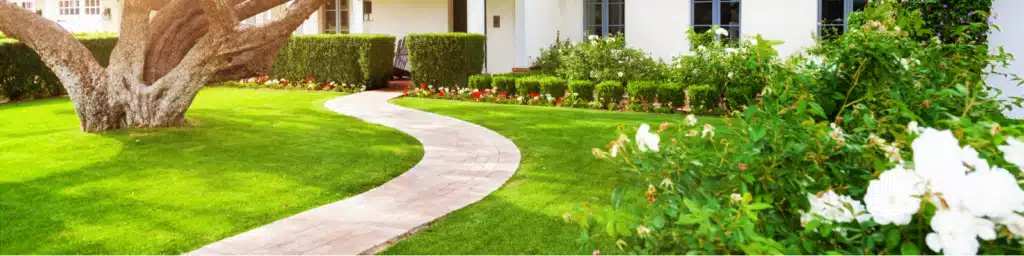
WINTER LAWN AND LANDSCAPE
Your lawn and landscape change each season and are affected by various challenges such as weeds, insects and diseases. GreenUP Turf Talk provides helpful tips and information about your lawn and landscape, as well as advice from our landscape experts.
TURF
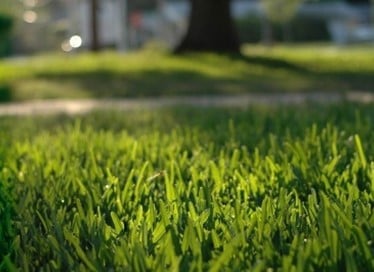
During winter, warm-season grasses will slow their growth but may retain good color unless impacted by frost or freezing temperatures. The shorter days and cooler weather help reduce stress on the turf, as pests that thrive in warmer conditions become less active. However, broadleaf weeds and sedges may still pose a challenge during winter. Fortunately, these can be managed effectively with treatments included in your regular service. While mowing will be less frequent, it remains essential to maintain the health of your lawn and address weeds that continue to grow in cooler temperatures. Click here for additional mowing tips and proper mowing practices for most grass types.
WINTER WEEDS, PESTS & DISEASES
Your lawn was treated with pre-emergent herbicide, but weeds that still make it to your landscape will be spot treated with post-emergent applications. Healthy turf is the best weed control which is why our focus remains on proper nutrition throughout the year.
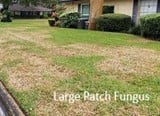
In colder temperatures, Large Patch fungus may appear due to its preference for cool, moist conditions. The pathogen responsible for Large Patch fungus is always present in the landscape but remains dormant in the soil until conditions become favorable for disease activation. This soil-borne fungus is most commonly observed from November through May, when temperatures stay below 80°F. Rainfall, excessive irrigation, or prolonged high humidity—keeping foliage wet for 48 hours or more—can trigger its development. If you notice any signs of Large Patch, contact us immediately for treatment. In contrast, Insect activity will decrease with the cooler temperatures, particularly caterpillars like tropical sod webworms.
WATERING NEEDS
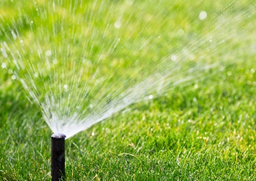
Cooler temperatures and shorter days will decrease the water demand by plants in the winter. Watering once a week is generally sufficient, depending on the coverage and schedule. Remember, too much water can lead to a variety of turf diseases such as Large Patch fungus on warm season grass and Brown Patch fungus on cool season grass. Proper irrigation is critical for your lawn’s health. Click here for more irrigation tips.
OUR COMMITMENT TO TOTAL CUSTOMER SATISFACTION
If you see an issue in your lawn and landscape, don’t wait until your next scheduled appointment. Contact our Customer Care Team today and schedule a service now so we can address it – at no additional cost to you!