
Termites on the March? Why Early Spring Is Prime Time for Swarms—and How to Protect Your Home from Damage
As winter fades and temperatures begin to rise, March marks more than the start of spring—it signals the beginning of termite season across much of the United States. Warmer days, increased humidity and seasonal rain create ideal conditions for termite swarms, especially in southern states like Florida.
For homeowners, this time of year should serve as a serious reminder: termites don’t wait for summer to strike. In fact, many infestations begin long before visible warning signs appear.
Below, we’ll explore:
- Why termites become active in March
- How to identify termite swarms vs. flying ants
- The differences between subterranean and drywood termites
- The dangers of Formosan termites
- Early signs of termite damage
- Professional termite control options that protect your home
If you’re serious about protecting your property this spring, this guide will give you the knowledge—and urgency—you need.

Schedule Your Free Inspection
Schedule today and Save $50
Why March Marks the Start of Termite Season
As soil temperatures warm and moisture levels rise, termite colonies begin producing winged reproductives known as swarmers. These swarmers leave established colonies to mate and form new ones.
In many regions:
- Subterranean termite swarms typically begin in late February or early March and continue through June.
- Drywood termite swarms commonly occur from March through early summer.
- Fluctuating temperatures can cause swarms to appear suddenly during warm spells and disappear when cold fronts return.
Even when swarms are not visible, termite colonies remain active underground or inside walls. Swarming is simply the most noticeable phase of a much larger, hidden problem.
And here’s the alarming truth:
Termites cause an estimated $5 billion in property damage annually in the U.S., and most homeowners insurance policies do not cover termite damage.
Spring is not just termite season—it’s the beginning of peak structural risk for unprotected homes.

Subterranean Termites: The Most Common Spring Invaders
Subterranean termites are the most widespread termite species in the United States and the primary culprits behind structural damage.
How They Invade Homes
As their name suggests, subterranean termites live underground. They build colonies in soil and travel through protective mud tubes to reach wood structures.
These termites can:
- Enter through cracks as thin as a business card
- Build mud tubes along foundations
- Attack wood where it meets the soil
- Remain undetected for years
Their shelter tubes—about the width of a soda straw—are made from soil, wood particles, and termite saliva. These structures protect termites from predators and dehydration while they travel between their nest and your home.
Shockingly, these mud tubes are so durable that some have survived hurricane-force winds.
Subterranean Termite Colony Structure
A typical colony includes:
- Workers – Cream-colored, wingless termites responsible for feeding and tunnel building
- Soldiers – Larger heads with powerful mandibles to defend against ants
- Reproductives (swarmers) – Dark-bodied, winged termites that start new colonies
Workers and soldiers are rarely seen unless wood is opened. Swarmers, however, are often the first visible sign of an infestation.

How to Tell the Difference: Termites vs. Flying Ants
Many homeowners mistake termite swarmers for flying ants. Knowing the difference can help you act quickly.
Wings
- Termites: Two pairs of wings, equal in size, extending well beyond the body
- Ants: Front wings longer than back wings
Antennae
- Termites: Straight and bead-like
- Ants: Elbowed
Waist
- Termites: Broad, uniform body
- Ants: Pinched waist with distinct segmentation
If you see discarded wings near windowsills, doorways or light fixtures in March, schedule a professional termite inspection immediately.
Formosan Termites: The Aggressive Super Colony
Among all termite species, Formosan termites are often considered the most destructive.
Why Formosan Termites Are So Dangerous
- Colonies may contain millions of termites
- A single colony can consume over 100 pounds of wood per year
- They attack structures, furniture, trees—even utility poles
Formosan termites never stop feeding. They are active 24/7 and will target any cellulose-based material.
Identifying Formosan Termites
- Workers: Cream-colored
- Soldiers: Brown heads with strong jaws
- Primary reproductives: Dark brown or black with wings
- Size: Usually between 1/8 and 1/4 inch
These termites are particularly aggressive in warm, humid climates and can cause rapid structural compromise.
Drywood Termites: Silent Destroyers in Your Walls and Attic
Unlike subterranean termites, drywood termites do not require soil contact. They live entirely inside the wood they consume.
How Drywood Termites Enter Homes
- Cracks in siding
- Unscreened vents
- Wall between edges
- Attic spaces
Once inside, they establish colonies within wood structures.
Unique Characteristics
- Eat across the grain of wood
- Produce fecal pellets (frass) near infested areas
- Found commonly in attics and structural beams
- Wings appear clear or gray
- Soldiers may measure up to 3/8 inches
Because drywood termites live inside the wood itself, infestations often go unnoticed until severe damage has occurred.

What Kind of Damage Can Termites Cause?
Termites do not discriminate. They attack:
- Floor joists
- Wall studs
- Ceiling supports
- Roofing structures
- Drywall
- Paneling
- Carpet
- Furniture
Severe infestations can result in:
- Sagging floors
- Warped walls
- Hollow-sounding wood
- Roof collapse
- Structural instability
The most troubling part? Termites are active year-round. Swarms are seasonal—but destruction is continuous.
For most homeowners, the first sign of infestation appears only after significant damage has already been done.
Why DIY Termite Treatment Often Fails
Termite infestations are not surface-level problems. Colonies can be:
- Hidden behind walls
- Buried deep underground
- Spread across multiple nesting sites
- Connected through underground tunnels
Store-bought sprays may kill visible termites but do not eliminate the colony. Without professional termite control, the problem persists—and often worsens.
A trained termite inspector can identify:
- Mud tubes
- Winged reproductive evidence
- Wood damage
- Moisture conditions
- Entry points
- High-risk areas
Early detection dramatically reduces repair costs and long-term risk.

Professional Termite Protection: What to Expect from a Comprehensive Inspection
Every effective termite control program begins with a thorough inspection.
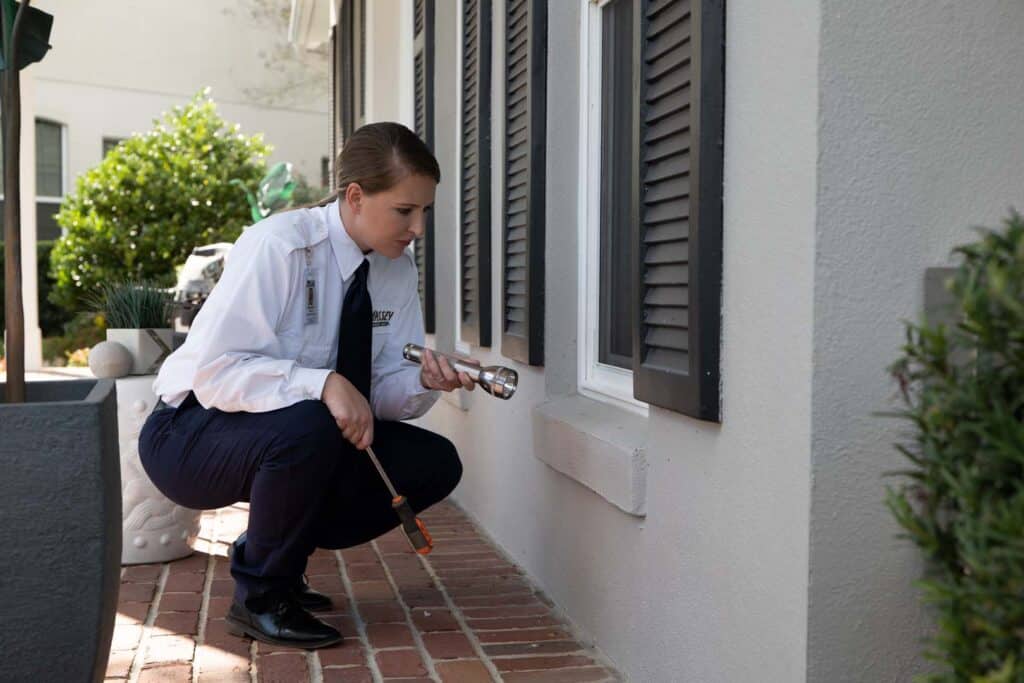
A trained termite specialist will examine:
- Interior walls and baseboards
- Flooring and trim
- Foundations and crawlspaces
- Attics and garages
- Sheds and patios
- Signs of swarmers and discarded wings
- Moisture buildup or wood-to-soil contact
The goal is to detect:
- Active infestations
- Hidden structural damage
- Conditions conducive to termite activity
- Future risk factors
Spring is the ideal time to schedule a free termite inspection, especially if you’ve seen swarmers in March.
Proven Termite Treatment Options
Based on inspection findings, professionals typically recommend one of two primary treatment methods:
1. Liquid Soil Barrier Treatment
A long-lasting termiticide is applied around the foundation of the home. This creates a protective barrier that:
- Prevents subterranean termites from entering
- Eliminates termites attempting to cross treated soil
- Provides ongoing structural defense
2. Termite Baiting System with Monitoring
Bait stations are strategically installed around the property perimeter. These systems:
- Eliminate entire colonies over time
- Provide continuous monitoring
- Offer long-term prevention
Both options provide strong termite control when installed and maintained correctly.
Why a Strong Termite Guarantee Matters
Not all termite control programs are created equal. A comprehensive termite protection plan should include:
Unlimited Retreatments
If termites return, additional treatments are provided at no extra cost until the issue is resolved.
Repair Coverage
New termite damage repairs are covered—protecting both the structure and contents of your home.
Annual Inspections
Yearly inspections ensure early detection and continued protection.
Transferable Protection
If you sell your home, termite coverage can be transferred to the new owner, increasing property value.
Satisfaction Guarantee
If results fall short, corrective service continues—or your last regular service payment is refunded.
When termite damage can cost thousands—or even tens of thousands—of dollars, a strong guarantee is critical.
Spring Termite Prevention Tips for Homeowners
While professional treatment is the most reliable solution, homeowners can reduce risk by:
- Eliminating wood-to-soil contact
- Fixing moisture issues and leaks
- Reducing mulch buildup near foundations
- Keeping gutters clean
- Sealing cracks in siding and foundation
- Screening vents and openings
These preventive steps help—but they do not replace professional termite monitoring.
The Bottom Line: It’s Not If—It’s When
Termites are perhaps the most destructive pests you will discover in your home. March marks the beginning of their most visible—and dangerous—season.
- Termite swarms are common in early spring
- Subterranean termites begin swarming between late February and June
- Drywood termites swarm March through early summer
- Formosan termites can destroy wood at alarming speeds
- Termites cause billions in damage annually
- Most insurance policies do not cover termite damage
If you’ve seen swarmers, mud tubes or unexplained wood damage—or if you simply want peace of mind—spring is the time to act.
Schedule Your Free Termite Inspection Today
Protect your home before termites turn spring into a costly nightmare.
A professional termite inspection will:
- Identify active infestations
- Detect hidden damage
- Evaluate future risks
- Recommend customized termite treatment
- Provide long-term protection options
With comprehensive termite control programs, advanced treatment solutions, and one of the strongest guarantees in the industry, you can defend your home against subterranean termites, drywood termites, Formosan termites and other wood-destroying insects.
Don’t wait for visible damage.
March is termite season. Spring is swarm season. So NOW is protection season.
Massey Services also determines which termite species is present or at risk of invading your home. Once the thorough termite inspection is complete, we’ll walk you through our findings and provide a clear, customized treatment recommendation.
Massey Services can help prevent these termite nightmares with our Termite Protection Program. Reach out to Massey Services and schedule an appointment before it is too late!