
Preparing Your Lawn for Frosty Weather: What Homeowners Should Do Now
As frosty air begins to settle in across the Southeast, many homeowners assume lawn care season is winding down. Mowers are pushed into the garage, irrigation schedules fade from memory and landscapes are left to hibernate until spring. But while growth above ground slows, your lawn is far from inactive.
Early winter is one of the most important times of the year for lawn health. What you do now determines whether your grass struggles with weeds, thinning and disease in spring—or rebounds quickly into a thick, vibrant lawn. Some lawns in the Southeast are not prepared for this unusual climate.
Preparing your lawn for cool weather isn’t about forcing growth. It’s about protection, preparation and smart timing. By focusing on root health, soil condition and preventative care, homeowners can help their lawns survive unpredictable winter conditions and emerge stronger when warm weather returns.
Schedule Your Free Inspection
Schedule today and Save $50

Why Cool-Weather Lawn Preparation Matters
Unlike northern climates with long periods of frozen ground and snow cover, Southeast winters are unpredictable. One week may feel like spring, followed by frost warnings, cold rain or sudden temperature drops. These fluctuations stress turfgrass more than consistent cold.
During cooler months, grass shifts priorities:
- Leaf growth slows
- Root systems continue developing
- Energy is stored for spring green-up
- Weeds take advantage of reduced competition
Without proper winter care, lawns often enter spring already behind—thin, weak and vulnerable to weeds and disease. Preparing now builds resilience when your lawn needs it most.
Step 1: Aerate the Lawn to Relieve Compaction
Aeration involves removing small plugs of soil to create channels that allow:
- Oxygen to reach roots
- Water to penetrate more deeply
- Nutrients to move efficiently into the root zone
Compacted soil restricts root growth and causes water runoff, leading to shallow roots and poor drought tolerance. By aerating in early winter, your lawn can recover from summer stress while preparing for winter dormancy.
Pro tip: Aeration is especially beneficial before fertilizing or overseeding, as it improves soil contact and absorption.
Step 2: Dethatch for Better Water and Nutrient Flow
Thatch is a layer of dead grass stems and organic matter that accumulates between the soil surface and grass blades. A thin layer is normal—but excessive thatch blocks water, fertilizer and air.
Signs you may need dethatching:
- Spongy feeling underfoot
- Water pooling or runoff
- Increased disease issues
Removing excess thatch helps roots access moisture and nutrients more efficiently while reducing fungal problems during cooler, wetter months.
Step 3: Adjust Mowing Practices for Cooler Weather
As temperatures drop, grass growth slows—but mowing still matters.
Best mowing practices for this weather:
- Gradually lower mower height (avoid scalping)
- Never remove more than one-third of the blade at once
- Keep mower blades sharp to prevent stress and disease
Shorter grass reduces matting from leaves and limits fungal activity. However, cutting too short weakens turf and exposes soil to weeds and temperature stress.
Step 4: Fertilize Strategically with a Winterizing Blend
Fertilizing when the weather is cooler doesn’t mean encouraging excessive growth—it means fueling root strength and energy storage.
Winterizing fertilizers:
- Support root development
- Improve cold tolerance
- Store carbohydrates for spring green-up
Timing Matters
- Cool-season grasses: Benefit from two feedings—late summer/early fall and late fall
- Warm-season grasses: Require carefully timed applications with lower nitrogen and higher potassium
Potassium plays a critical role in strengthening roots and improving resistance to cold stress. Avoid heavy nitrogen applications late in the season, as tender growth is vulnerable to frost damage.
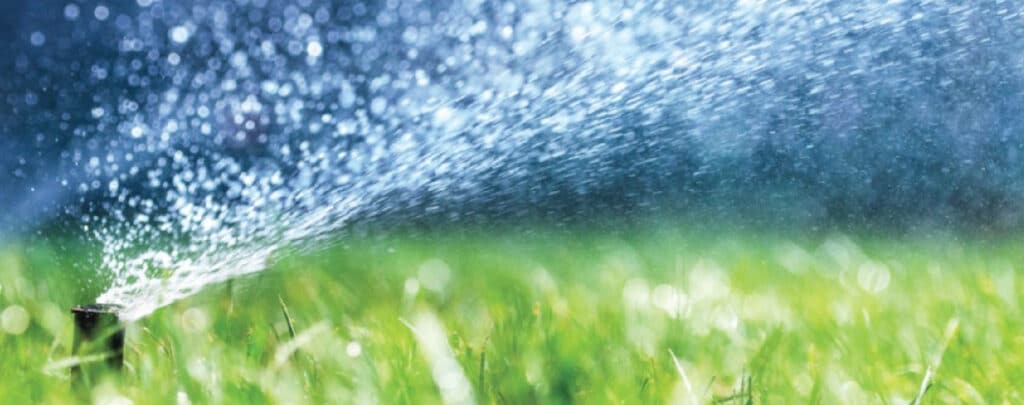
Step 5: Keep Your Lawn Properly Watered—Not Overwatered
Cooler temperatures reduce evaporation, but your lawn still needs moisture until it goes dormant.
Guidelines for winter watering:
- Aim for about one inch of water per week (rainfall included)
- Reduce frequency but maintain consistency
- Avoid watering late in the day during cold spells
Overwatering is one of the most common winter lawn mistakes in the Southeast. Excess moisture lingers longer in cool weather, increasing the risk of fungal disease and root rot.
Step 6: Rake or Mulch Leaves to Prevent Damage
Fallen leaves may look harmless, but left unattended they can smother grass and trap moisture.
Problems caused by leaf buildup:
- Reduced sunlight
- Increased fungal disease
- Weak or dead turf beneath mats
Instead of raking everything away, consider mulching leaves with your mower. Mulched leaves break down quickly, returning organic matter and nutrients to the soil while still protecting grass.
Step 7: Overseed for Winter Color and Protection
Warm-season grasses like Bermuda, Zoysia, St. Augustine and Centipede naturally go dormant and lose color during winter.
Overseeding with a cool-season grass such as ryegrass:
- Maintains green color
- Prevents erosion
- Suppresses winter weeds
- Improves overall lawn density
Timing is critical—overseed in the late fall so new grass establishes before freezing temperatures arrive.
Step 8: Control Weeds Before They Take Over
Winter weeds are one of the biggest hidden threats to Southeast lawns. While turfgrass slows down, weeds quietly establish themselves.
Common cool-season invaders include:
- Clover
- Chickweed
- Henbit
- Dandelions
Applying pre-emergent herbicides in early fall prevents weed seeds from germinating. Post-emergent treatments may also be needed for existing weeds before winter sets in.
Step 9: Mulch Landscape Beds for Insulation
Mulch does more than improve appearance—it protects roots.
Benefits of mulching before winter:
- Insulates soil from temperature swings
- Retains moisture during dry spells
- Suppresses weeds
- Prevents erosion during heavy rains
Apply mulch evenly around trees and plants, avoiding direct contact with trunks or stems.
Step 10: Understand Dormancy vs. Winter Damage
Brown grass doesn’t always mean dead grass.
Dormancy:
- Natural energy conservation
- Common in warm-season grasses
- Temporary discoloration
Winter Damage:
- Caused by sudden freezes or prolonged cold
- May not be fully visible until spring
- Often appears patchy and uneven
Avoid rushing to fix brown areas during winter. Excessive fertilizing, watering or mowing can worsen damage. Patience is key—many lawns recover naturally as temperatures rise.
Why Winter Lawn Care Pays in the Spring
Lawns that receive proper winter care:
- Green up faster in spring
- Require fewer corrective treatments
- Resist weeds and disease
- Maintain thicker turf density
Winter isn’t a pause button—it’s the foundation for what comes next.

Professional Help Makes a Difference
Managing winter lawn care in the Southeast can be challenging due to fluctuating temperatures, rainfall patterns and grass varieties. A professional approach ensures treatments are tailored to your soil, climate and turf type.
Massey Services offers expert seasonal lawn care through our GreenUP Landscape program, including winterizing fertilizer blends designed to strengthen lawns against cold stress and encourage quicker spring green-up. Every service is backed by a No-Nonsense, Money-Back Guarantee, providing peace of mind year-round.
If you want confidence heading into spring, now is the time to act. A free, no-obligation lawn analysis can help ensure your landscape doesn’t just survive winter—but thrives beyond it.
Final Thought
Cool-weather lawn care isn’t about doing more—it’s about doing the right things at the right time. Aeration, fertilization, proper mowing, weed prevention and moisture management work together to protect your lawn when it’s most vulnerable.
By preparing your lawn now, you’re not just caring for grass—you’re investing in a healthier, greener landscape for the seasons ahead.