
Making Sure You Don’t Overwater Your Lawn Before Rainy Season
When Too Much Water Becomes a Problem
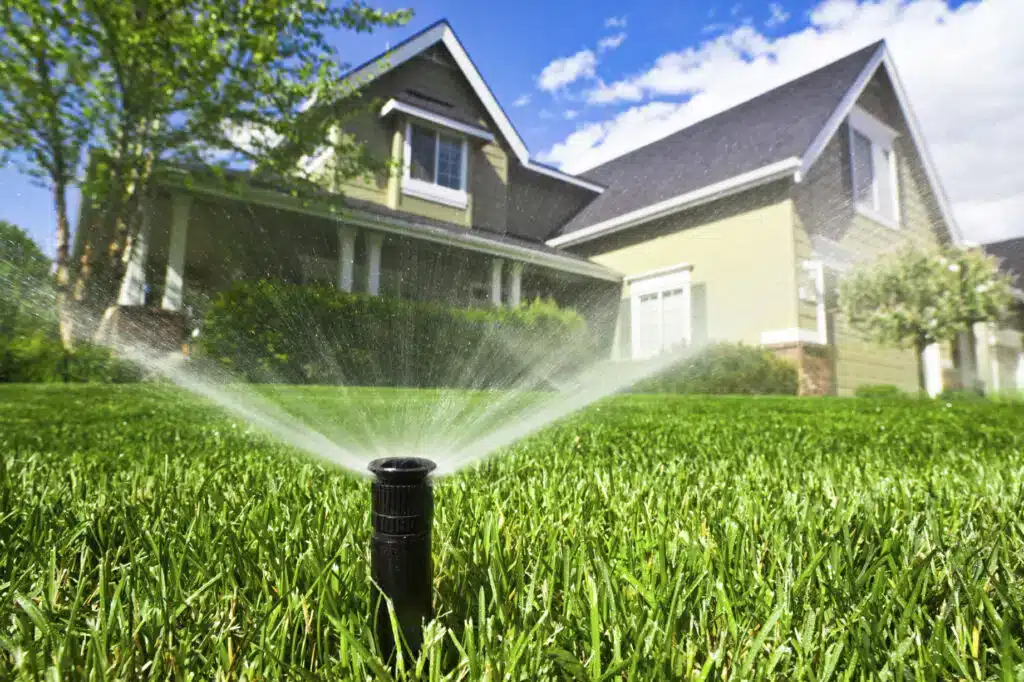
In Florida, preparing your lawn for the rainy season isn’t just about bracing for storms—it’s about adjusting how you water before those rains arrive. Many homeowners unknowingly overwater their lawns in late spring, thinking they’re helping their grass prepare for summer heat. This can do more harm than good.
Overwatering your lawn before the rainy season can lead to serious issues like root rot, fungal diseases, weed infestations and water runoff. Healthy turf depends on a delicate balance—your soil needs both moisture and oxygen to support strong root systems. When that balance is disrupted, your lawn can quickly decline.
Proper irrigation is one of the most important elements in maintaining a vibrant, healthy landscape year-round. With Florida’s intense weather patterns, getting your watering schedule right before the rainy season begins can make all the difference.
Schedule Your Free Inspection
Schedule today and Save $50
Why Overwatering Is So Common in Florida
Florida homeowners face a unique challenge: unpredictable weather combined with frequent rainfall. As spring transitions into summer, irrigation systems often continue running on schedules designed for drier months—right as rainfall begins to increase.
Common Reasons Lawns Get Overwatered:
- Irrigation timers not adjusted for seasonal rainfall
- Lack of rain sensors or malfunctioning ones
- Uneven sprinkler coverage
- Watering too frequently instead of deeply
- Assuming more water equals healthier grass
Florida summers are known for sudden downpours and near-daily thunderstorms. While your lawn may benefit from natural rainfall, adding excessive irrigation on top of that can overwhelm your landscape.
What Happens When You Overwater Your Lawn
Overwatering doesn’t just waste water—it creates a chain reaction of problems that can damage your lawn from the roots up.
1. Root Rot and Weak Root Systems
When soil becomes saturated, oxygen levels drop. Grass roots need oxygen to grow deep and strong. Without it, roots become shallow, weak and prone to rot.
2. Increased Fungal Diseases
Excess moisture creates the perfect environment for lawn diseases like:
- Brown patch
- Dollar spot
- Pythium blight
These fungal issues spread quickly and can leave your lawn looking patchy and unhealthy.
3. Weed Growth Explosion
Overwatering encourages aggressive weeds that thrive in moist environments. These weeds compete with your grass for nutrients, sunlight and space.
4. Water Runoff and Waste
Too much water leads to runoff instead of absorption, meaning you’re wasting water while depriving your lawn of the deep hydration it actually needs.
5. Higher Utility Bills
An inefficient irrigation system can significantly increase your water usage—and your monthly costs.
The Hidden Danger: Shallow Roots Before Summer Heat
One of the biggest risks of overwatering in spring is the development of shallow root systems.
Light watering encourages roots to stay near the surface instead of growing deeper into the soil. This makes your lawn:
- More vulnerable to drought
- Less tolerant of heat stress
- Easier to damage from foot traffic and pests
As temperatures rise in summer, lawns with shallow roots struggle to survive—even if they were lush just weeks earlier.

The Importance of Proper Irrigation Balance
A healthy lawn depends on achieving the right balance between water and oxygen in the soil. Too little water stresses your lawn, while too much suffocates it.
Signs of Proper Irrigation:
- Deep, infrequent watering
- Even coverage across all lawn areas
- Soil that is moist—but not soggy
- Grass that springs back when stepped on
Signs Your Lawn Is Overwatered:
- Mushy or spongy soil
- Yellowing grass
- Fungal patches or mold
- Increased weed growth
- Standing water or runoff
If your irrigation system isn’t delivering water evenly—getting the right amount to the right areas—your landscape may develop an unhealthy, patchy appearance.
Underwatering vs. Overwatering: Finding the Sweet Spot
Both underwatering and overwatering can damage your lawn—but in different ways.
Underwatering Problems:
- Dry, brittle grass
- Increased insect activity
- Weak root systems
- Brown or dormant patches
Overwatering Problems:
- Root rot
- Fungal disease
- Weed overgrowth
- Oxygen-deprived soil
The goal is balance—watering deeply enough to encourage root growth, but not so frequently that the soil stays saturated.
How to Adjust Your Irrigation Before Rainy Season
Preparing your irrigation system before Florida’s rainy season is essential for preventing overwatering.
1. Reduce Your Watering Frequency
As rainfall increases, your irrigation system should run less often. Many homeowners forget to adjust timers, leading to unnecessary watering.
2. Water Early in the Morning
Watering between 4 AM and 8 AM allows moisture to soak into the soil before evaporation increases.
3. Install or Check Rain Sensors
Rain sensors automatically shut off your irrigation system when enough rainfall has occurred. If yours isn’t working, it could be wasting thousands of gallons of water.
4. Inspect for Uniform Coverage
Uneven sprinkler coverage can cause some areas to be overwatered while others remain dry.
5. Switch to Deep, Infrequent Watering
Instead of watering daily, aim for fewer, longer watering sessions to promote deeper root growth.
The Role of Your Sprinkler System
Your irrigation system plays a critical role in lawn health. If it’s not functioning properly, it can cause both overwatering and underwatering at the same time.
Common Irrigation Issues:
- Broken or clogged sprinkler heads
- Misaligned spray patterns
- Leaks or pressure problems
- Outdated timers or controllers
A malfunctioning sprinkler system can lead to excessive water use, higher utility bills, and an unhealthy lawn.
Why Professional Irrigation Services Matter
Managing irrigation in Florida’s climate can be complex. That’s where professional expertise makes a difference.
Massey Services offers a comprehensive Irrigation Maintenance Program designed to optimize your system for efficiency and performance.
What Massey’s Irrigation Experts Do:
- Identify problem areas in your landscape
- Ensure uniform water distribution
- Adjust irrigation schedules for seasonal changes
- Inspect and repair system components
- Optimize water usage based on plant and soil needs
With professional irrigation services, homeowners can reduce water waste by up to 30% while maintaining a lush, healthy landscape.
Water Conservation: A Critical Responsibility
Water conservation isn’t just about saving money—it’s about protecting one of our most valuable natural resources.
An inefficient irrigation system can waste thousands of gallons of water each year. By optimizing your system, you can:
- Reduce environmental impact
- Lower your utility bills
- Improve lawn health
- Prevent runoff and erosion
Massey’s irrigation services are designed with conservation in mind, helping homeowners use water more efficiently without sacrificing landscape quality.
Seasonal Adjustments: One Size Doesn’t Fit All
Every lawn is different, and your irrigation system should reflect that.
Factors That Affect Water Needs:
- Grass type (St. Augustine, Bermuda, Zoysia, etc.)
- Soil composition (sand vs. clay)
- Sun exposure
- Slope and drainage
- Plant varieties in your landscape
Our experts adjust irrigation systems based on these variables to ensure your lawn receives the right amount of water at the right time.
Florida Rainy Season Lawn Care Tips
To keep your lawn healthy during rainy season, follow these best practices:
Do:
✔ Monitor rainfall and adjust irrigation accordingly
✔ Inspect your sprinkler system regularly
✔ Water deeply but less frequently
✔ Improve drainage in problem areas
Don’t:
✘ Water during or immediately after rain
✘ Ignore signs of fungal disease
✘ Let your irrigation system run on outdated settings
✘ Assume all areas of your lawn need the same amount of water
The Cost of Ignoring Irrigation Issues
Failing to address irrigation problems before rainy season can lead to costly consequences:
- Lawn replacement or re-sodding
- Increased pest problems
- Higher water bills
- Long-term soil damage
- Reduced property value
Preventative maintenance is far more affordable than repairing a damaged landscape.

How Massey Services Helps Protect Your Lawn
We take a proactive approach to irrigation, focusing on both lawn health and water efficiency.
Benefits of Massey’s Irrigation Maintenance Program:
- Up to 30% reduction in water waste
- Improved sprinkler system performance
- Healthier, greener lawn
- Lower monthly water bills
- Expert adjustments based on seasonal changes
Our licensed irrigation professionals ensure your system delivers water precisely when and where it’s needed—no more, no less.
The Connection Between Irrigation and Overall Lawn Health
Irrigation doesn’t work in isolation—it’s part of a larger ecosystem that includes:
- Soil health
- Fertilization
- Pest control
- Proper mowing practices
When irrigation is properly managed, it enhances all other aspects of lawn care, creating a stronger, more resilient landscape.
Signs It’s Time for an Irrigation Inspection
If you notice any of the following, it’s time to schedule a professional inspection:
- Uneven grass growth
- Persistent wet or dry spots
- Sudden increase in water bills
- Visible sprinkler damage
- Fungal outbreaks or weeds
A professional evaluation can quickly identify issues and prevent further damage.
Preparing Your Lawn for Long-Term Success
The goal isn’t just to survive rainy season—it’s to build a lawn that thrives year-round.
By avoiding overwatering and maintaining an efficient irrigation system, you can:
- Strengthen root systems
- Improve drought resistance
- Reduce disease risk
- Maintain consistent growth and color
Schedule Your Free Irrigation Inspection Today
Don’t wait until overwatering damages your lawn. Taking action now can save you time, money, and frustration later.
We offer a free irrigation inspection to help you:
- Identify inefficiencies in your system
- Improve water distribution
- Reduce water waste
- Lower your utility bills
Our team will make all the necessary adjustments to ensure your landscape receives the right amount of water at the right time—based on your lawn’s unique needs and Florida’s seasonal conditions.
Final Thoughts: Smarter Watering Starts Now
As Florida’s rainy season approaches, it’s essential to rethink your irrigation strategy. Overwatering may seem harmless, but it can quickly lead to serious lawn health issues, wasted water and higher costs.
By understanding the risks, adjusting your watering habits and investing in professional irrigation services, you can keep your lawn healthy, efficient and beautiful all year long.
With the help of Massey Services, you can achieve the perfect balance—giving your lawn exactly what it needs, when it needs it, without wasting a drop.
