
How Overwatering Can Ruin Your Lawn (And How to Fix It)
A complete homeowner’s guide to recognizing, preventing and correcting overwatered turf

Every healthy lawn relies on water—but like most things in nature, balance is everything. While people often worry about underwatering their grass, the opposite problem can be far more harmful. Overwatering might seem harmless, especially in hot weather, but it can quietly work against you, damaging roots, attracting weeds and creating the perfect environment for pests and disease.
Whether the issue comes from heavy seasonal rain or an irrigation system with a prolonged running time, excess moisture can turn even the lushest landscape into a patchy stressed out lawn. The good news is with a little knowledge and a few targeted steps you can bring your yard back to life.
This comprehensive guide explains why overwatering is so damaging, how to spot the early warning signs and what to do to restore your turf.
Schedule Your Free Inspection
Schedule today and Save $50
Why Too Much Water Is a Big Problem
Grass requires water to thrive. Moisture fuels photosynthesis, helps transport nutrients and keeps the entire root system functioning properly. But consistent oversaturation creates the opposite effect, weakening turf instead of supporting it.
Excess Water Disrupts Nutrient Absorption
When soil stays too wet the nutrients your grass needs are easily washed away. Even if you fertilize regularly your turf may still look pale or stunted because its roots cannot absorb enough nutrition.
Wet Turf Invites Weeds, Pests and Disease
Certain invaders thrive in moist environments. Persistent dampness encourages fungal pathogens, mosquito activity and destructive insects. It also creates prime conditions for aggressive weeds like dollarweed, yellow nutsedge, creeping Charlie and crabgrass. These opportunistic plants quickly invade weakened grass.
The Hidden Science Behind Overwatering
Healthy soil contains a natural balance of minerals, organic matter, air spaces and moisture. Those tiny air pockets are essential because they allow roots to breathe. When water fills inside the air pockets, all available pore space oxygen disappears. Roots begin to suffocate and soil biology starts to break down.
Oversaturation also slows decomposition. This contributes to heavy thatch buildup, which traps even more moisture at the surface. The cycle continues until the lawn becomes a breeding ground for disease and pests.
What Happens If I Overwater Lawn?
Overwatering affects lawns in several major ways:
1. Shallow Weak Root Systems
Constant moisture means roots never need to grow downward in search of water. As a result, the lawn develops shallow roots that cannot withstand heat or drought.
2. Nutrient Loss
Excess water leaches nutrients out of the soil. Symptoms include:
- Yellow or pale grass
- Slow growth
- Thin turf
- Uneven color
3. Weed Invasion
Moisture-loving weeds quickly take over areas where turf has weakened. Once established weeds outcompete healthy grass for sunlight and nutrients.
4. Fungal Outbreaks
Brown patch, fairy ring, Pythium blight and dollar spot are all encouraged by wet soil. Left untreated they can spread rapidly across your lawn.
5. Increased Pest Pressure
Mosquitoes, chinch bugs, grubs and other pests thrive in damp conditions. These insects can cause significant long-term turf damage.
How to Tell If I’m Overwatering My Lawn
Watch for these key signs:
Water Pooling on the Surface
Puddles after irrigation or rainfall means the soil is fully saturated.
Squishy or Soggy Ground
If the lawn feels spongy underfoot, it is holding too much water.
Yellow or Pale Grass
Nutrient deficiencies caused by overwatering often show up as discoloration.
A Sudden Increase in Weeds
Moisture-loving weeds are a reliable indicator of excess water.
Fungal Spots or Disease Rings
Circular patches, mold-like growth or large discolored areas suggest disease related to moisture.
Bare Spots or Thinning Turf
Roots die off when they cannot breathe leading to visibly thinning grass.
Fast Thatch Accumulation
Overwatering causes rapid soft growth that creates more plant debris and an expanding thatch layer.
How Can I Test for Overwatering
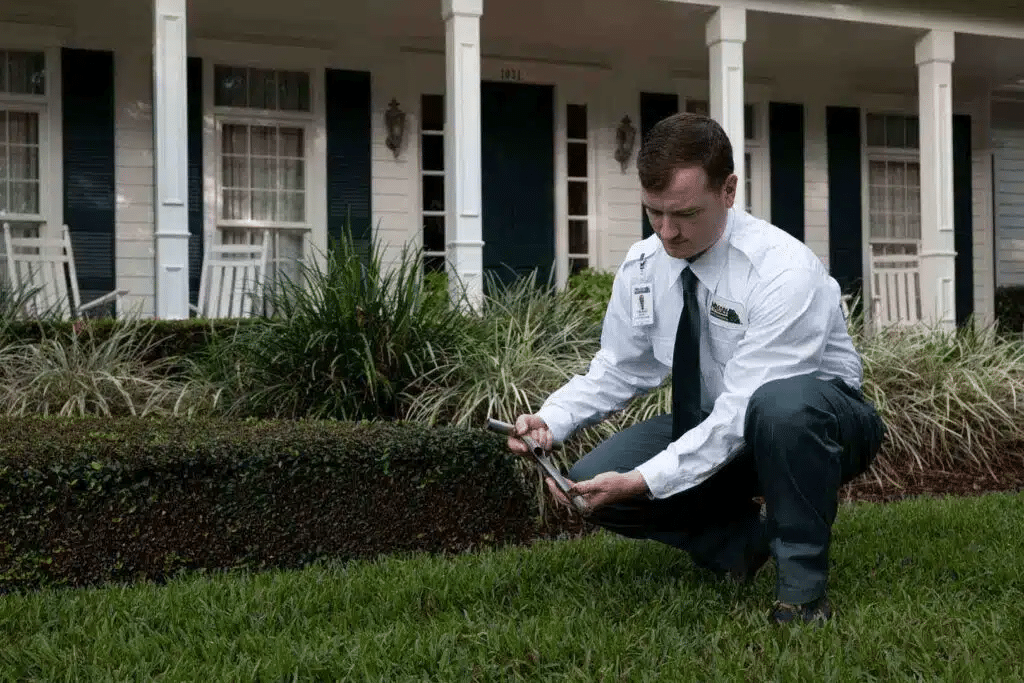
Use a long screwdriver to test your soil. Push it straight down into the soil:
- If it slides more than 6 inches with almost no resistance the soil is too wet
- If it stops quickly moisture levels are more appropriate
This simple method helps prevent unnecessary irrigation.
What Are the Common Causes of Overwatering?
Several factors can cause too much moisture in your lawn:
Automatic Irrigation Issues
Overlapping zones, long run times, clogged heads and leaks all contribute to excess watering.
Improperly Placed Sprinklers
Sprinklers that spray driveways, sidewalks or landscaping beds waste water and cause runoff back into the lawn.
Poor Grading
Low spots in your yard trap water. Without proper drainage these areas remain saturated long after rain stops.
Missing Gutters
When roof runoff pours directly onto turf the same area becomes repeatedly soaked.
Frequent Rainfall
In certain climates thunderstorms can oversaturate your lawn. Supplementing with irrigation during these periods adds unnecessary moisture.
How Much Water Does My Lawn Actually Need?
Most lawns require about one inch of water per week. This includes rainfall and irrigation combined. A rain gauge makes tracking natural moisture easy, and once you know how much rain your yard receives you can adjust your irrigation schedule to avoid oversaturation.
Remember that deep infrequent watering is best. It promotes strong root development and greater drought tolerance.
How to Fix an Overwatered Lawn
1. Reduce or Pause Watering
Stop irrigating until the soil has time to dry. Use weather forecasts, a rain gauge and the screwdriver test to determine when watering should resume.
2. Aerate the Soil
Aeration restores oxygen to the root zone by removing small plugs of soil or creating channels for air and nutrients. Whether you use a manual tool, a rented core aerator or a liquid aeration product the goal is the same—improve soil structure and help moisture drain evenly.
3. Improve Drainage
If standing water is common consider solutions such as:
- Regrading low areas
- Installing French drains
- Adding soil amendments
- Creating runoff channels
Better drainage prevents chronic moisture buildup.
4. Address Weeds and Disease
If weeds or fungi have already taken hold treat them with the appropriate herbicides or fungicides. Combine treatment with proper mowing practices and improved watering habits.
5. Inspect Your Irrigation System
Check for leaks, misaligned heads, broken sprinkler components and incorrect scheduling. Seasonal adjustments are essential because your lawn needs different amounts of water throughout the year.
Why Do I Need Professional Irrigation Maintenance?
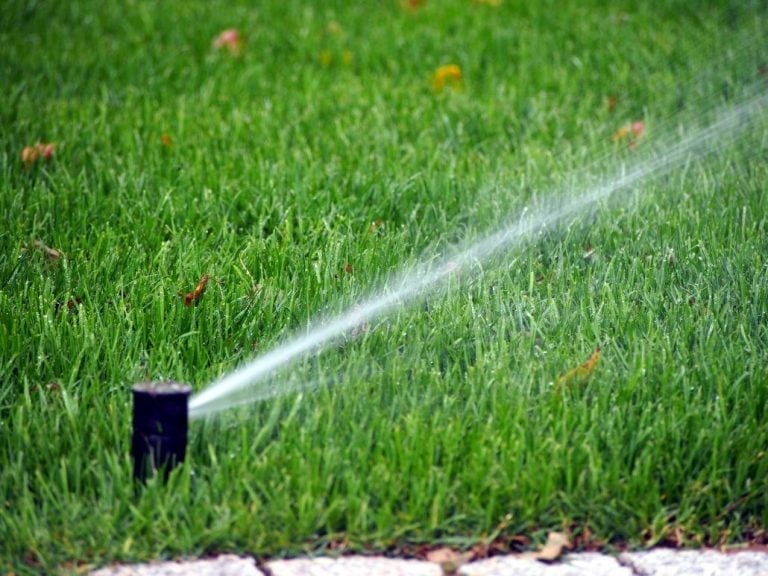
An irrigation system that isn’t operating efficiently can waste thousands of gallons of water each year and cause unnecessary lawn damage. Professional maintenance helps ensure your landscape receives the right amount of water at the right time.
A trained technician can:
- Fine tune sprinkler head placement
- Correct overlapping spray patterns
- Adjust seasonal watering schedules
- Identify leaks and malfunctioning parts
- Reduce water waste by up to 30%*
If you want to protect your landscape and lower your utility bill, a free irrigation inspection is a great first step.
How Massey Services’ GreenUP Program Helps Protect Your Lawn

Overwatering is only one factor that can impact the health of your lawn. To create a truly resilient landscape you need a comprehensive approach that supports the soil, strengthens the grass and prevents problems before they start. That’s exactly what Massey Services’ GreenUP Landscape Service provides.
The GreenUP program is designed to promote the overall health of your lawn and landscape through proactive care that goes far beyond simple watering recommendations. With GreenUP you receive:
- Preventive weed treatments to stop invasive species before they overtake your turf
- Preventive lawn insect treatments that protect against damaging pests
- Annual core aeration to improve oxygen flow and root development
- Soil pH testing to ensure your lawn can absorb nutrients efficiently
- Customized treatment plans based on your grass type and local growing conditions
All of these services are included in the program with no extra charges for different treatments. You get a complete lawn health solution without worrying about add-on fees or unexpected costs.
And if you ever experience an issue between scheduled visits Massey will return at no additional charge. This ensures your lawn receives the consistent attentive care it needs to stay thick, green and healthy all year long.
* Reduction of water waste refers to operating efficiency and not actual amount of water used for irrigation. Irrigation License SCC131151531.