
Best Irrigation Tips to Have Your Lawn Ready for the Start of Spring

As winter fades and temperatures begin to rise, your landscape enters one of the most important transitions of the year. Spring marks the start of active growth for your lawn, trees and shrubs — and success during this season depends heavily on one critical factor: proper irrigation.
Once winter turns into spring, one of the most important elements of a healthy landscape is ensuring plants receive water when and where they need it most. A properly functioning irrigation system helps establish strong roots, encourages healthy growth and prepares your lawn to withstand heat, pests and environmental stress later in the year.
However, irrigation isn’t simply about turning your sprinklers back on. This requires inspection, calibration, and seasonal adjustments to avoid costly problems and wasted water.
This guide covers the best irrigation tips to prepare your lawn for spring, helping you protect your investment while promoting a lush, vibrant landscape all season long.reen-up and avoid expensive renovation later.
Schedule Your Free Inspection
Schedule today and Save $50
Why Spring Irrigation Preparation Matters
During winter, irrigation systems often sit unused for weeks or months. Components can shift, clog, crack, or fall out of alignment without homeowners realizing it. When systems restart in spring without inspection, uneven watering commonly occurs.
If your irrigation system fails to deliver uniform coverage — meaning the right amount of water does not reach the right areas — your lawn may quickly develop an unhealthy, patchy appearance.
Even small issues can create major consequences:
- Dry spots weaken turf and shrub roots
- Oversaturated zones promote fungal disease
- Misaligned sprinkler heads waste water
- Hidden leaks increase utility bills
The reality is that most irrigation problems go unnoticed until visible lawn damage appears.
That’s why regular irrigation inspections and maintenance play such an essential role in landscape health.
The Balance Your Lawn Needs: Water + Oxygen
Healthy lawns don’t just need water — they need balance.
Grass roots thrive when soil maintains the proper combination of moisture and oxygen. Too little water causes drought stress, while too much oxygen pushes out of the soil, suffocating roots.
When irrigation is properly managed:
✅ Roots grow deeper
✅ Turf becomes more resilient
✅ Plants resist pests and disease
✅ Nutrient absorption improves
Proper irrigation is one of the most critical elements in maintaining your landscape’s appearance year-round.
The Hidden Dangers of Overwatering and Underwatering
Many homeowners assume watering more frequently leads to greener grass. Incorrect watering causes some of the most common lawn problems seen each spring.
Underwatering Problems
Insufficient irrigation weakens turf and ornamental plants by limiting root development. Shallow or stressed roots make landscapes more vulnerable to:
- Increased insect activity
- Heat stress
- Wilting or folding grass blades
- Dry, crumbly soil around roots
Overwatering Problems
Too much water creates equally serious issues, including:
- Harmful fungus and lawn diseases
- Excess weed growth
- Soil compaction
- Water runoff and waste
Visible pooling on sidewalks or driveways, lingering footprints in damp grass or expanding brown patches often signal irrigation imbalance.
If you notice these symptoms, it may be time for a professional irrigation evaluation.
Start Spring Right with a Professional Irrigation Inspection
Ensuring your lawn, trees, and shrubs receive adequate hydration begins with a thorough irrigation inspection.
A professional inspection evaluates the entire system to confirm it is operating efficiently and delivering consistent coverage. Licensed irrigation experts examine:
- Water pressure levels
- Sprinkler head performance
- Zone operation
- Uniform coverage
- Controller programming
Following inspection, homeowners receive written recommendations outlining improvements that help keep landscapes thriving throughout the growing season.
Many issues — such as clogged nozzles, leaks, damaged valves, or improper zone coverage — remain invisible without expert evaluation but significantly impact lawn health.

Spring Irrigation Startup Checklist
Before activating your system for the season, follow these essential steps.
1. Inspect and Clean the System
Walk your property and check:
- Valves and pipes for cracks or leaks
- Sprinkler heads for debris buildup
- Drains and emitters for obstructions
Cleaning clogged components restores proper spray patterns and prevents pressure issues.
2. Set the Irrigation Clock to “Off”
Before testing, temporarily switch your controller off. This prevents accidental watering cycles while inspections are underway.
3. Turn Water on Slowly
Gradually open the main water valve when restarting the system. Sudden pressure surges can damage pipes, fittings or sprinkler heads that may have weakened during winter.
4. Run Each Irrigation Zone
Activate zones individually to confirm:
- Proper spray coverage
- Even distribution
- No puddling or misting
- Correct sprinkler alignment
Adjust heads as needed to eliminate dry or oversaturated areas.
5. Measure Water Output
Aim for approximately ¼ to ½ inch of water per irrigation cycle. Simple tools like rain gauges or tuna cans help measure output accurately.
Deep watering encourages deeper root systems compared to frequent shallow watering.
6. Know Your Soil Type
Different soils retain water differently:
- Sandy soil drains quickly
- Clay soils hold moisture longer
- Loamy soils balance retention and drainage
Understanding soil composition helps prevent overwatering or underwatering.
Programming Your Irrigation System for Spring Success
Spring watering schedules should reflect seasonal conditions rather than summer habits.
Best practices include:
- Water early in the morning to reduce evaporation
- Adjust run times based on rainfall
- Avoid evening watering that encourages fungal growth
- Modify schedules as temperatures increase
A properly programmed controller ensures your landscape receives moisture efficiently without unnecessary waste.
Signs Your Irrigation System Needs Attention
Your lawn often provides early warning signs when irrigation problems develop.
Watch for:
- Patchy or thinning grass
- Persistent wet areas
- Water runoff onto hard surfaces
- Wilted or folding blades
- Uneven turf color
These indicators typically suggest coverage issues, leaks, pressure imbalance or system malfunction.
A malfunctioning irrigation system can lead to excessive water use, higher utility bills and declining landscape health.
Why Ongoing Irrigation Maintenance Is Essential
Spring startup is only the beginning. Irrigation systems experience mechanical wear throughout the year due to weather, soil movement and regular operation.
Routine maintenance helps ensure long-term performance and efficiency.
During scheduled service visits, irrigation professionals typically:
- Observe zone operation and filtration systems
- Inspect controllers and relay enclosures
- Measure water pressure
- Confirm date and time settings
- Test valves, batteries, and rain sensors
- Identify wiring or valve box concerns
- Verify sprinkler coverage
- Realign sprinkler nozzles
- Adjust spray arcs
- Clean screens and nozzles
- Detect leaks within piping or tubing
After service, homeowners receive written reports detailing findings and recommended adjustments.
Regular inspections allow technicians to identify developing problems before they require costly repairs.
Improve Efficiency and Reduce Water Waste
Water conservation is more important than ever for homeowners and communities alike.
Professional irrigation maintenance programs help optimize watering schedules based on:
- Seasonal weather changes
- Plant requirements
- Soil conditions
- Local rainfall patterns
An optimized irrigation system can reduce water waste by up to 30%* while maintaining a lush, healthy landscape.
Efficient watering protects both your lawn and your monthly utility bill.
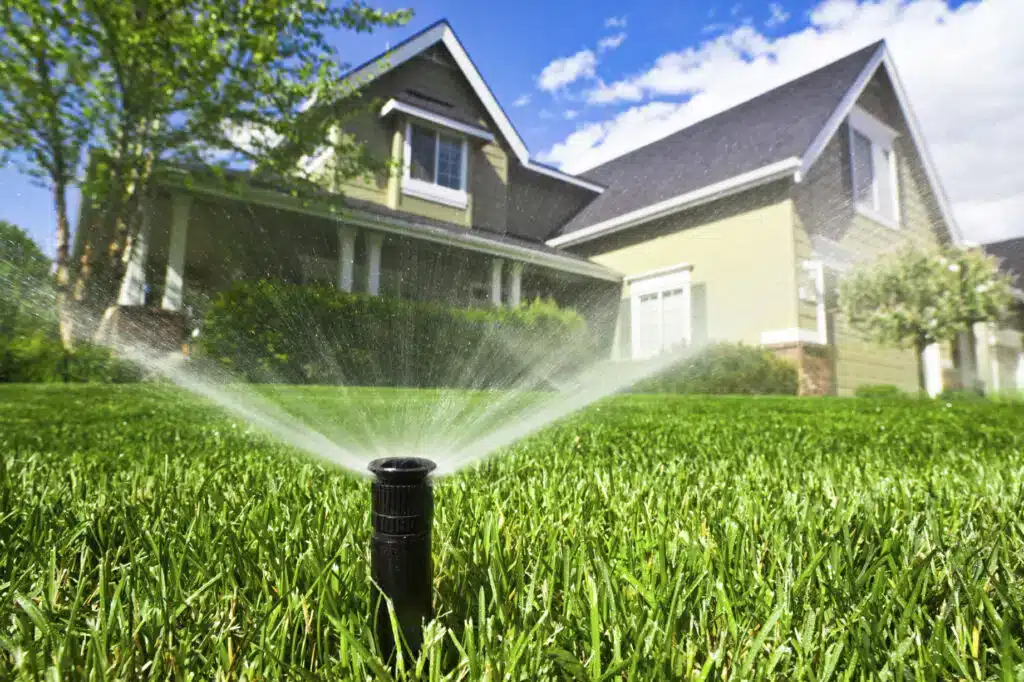
How Professional Irrigation Services Support Lawn Health
Licensed irrigation experts can identify problem areas, resolve system inefficiencies, and ensure consistent watering across your entire property.
By analyzing sprinkler performance and adjusting system operation, professionals help your lawn receive exactly what it needs — no more and no less.
Quarterly service visits allow technicians to:
- Correct mechanical wear
- Diagnose failing components
- Repair or replace damaged parts
- Maintain system efficiency year-round
If issues arise between scheduled visits, service providers often return to address concerns promptly, preventing long-term damage.
The Long-Term Benefits of Proper Spring Irrigation
When irrigation systems begin the season correctly, homeowners experience benefits throughout the year:
✔ Stronger root development
✔ Improved drought tolerance
✔ Reduced pest pressure
✔ Fewer lawn diseases
✔ Lower water bills
✔ Consistent landscape appearance
A system rushed into operation often wastes water, misses coverage areas and fails during peak summer demand.
Spring preparation may take time, but skipping steps typically leads to repairs that cost far more later.
Preparing Your Landscape for a Thriving Growing Season
Starting your irrigation system in spring is not a five-minute task. Careful inspection, testing, and calibration ensure reliable performance during the months your lawn depends on it most.
Taking the time now to inspect equipment, adjust watering schedules, and verify coverage prevents unnecessary stress on turf and ornamental plants.
Do the work early — your landscape, irrigation equipment, and water bill will benefit all season long.
Schedule a FREE Irrigation Inspection with Massey Services
The best way to ensure your lawn is ready for spring is through a professional evaluation.
A FREE irrigation inspection allows experienced technicians to assess water pressure, sprinkler heads, and zone coverage while providing written recommendations designed to keep your landscape thriving.
With expert guidance and routine maintenance, your irrigation system can deliver the right amount of water at the right time — helping your lawn, trees and shrubs enter spring healthy, strong, and ready to grow.
To create a truly resilient landscape you need a comprehensive approach that supports the soil, strengthens the grass and prevents problems before they start. That’s exactly what Massey Services’ GreenUP Landscape Service provides.

Proper irrigation is the foundation of a beautiful landscape. By preparing your system for spring, monitoring performance, and maintaining regular inspections, you set the stage for a greener, healthier lawn throughout the entire year.
Get the best out of your irrigation system now — and enjoy a vibrant, resilient landscape all spring and beyond.